Ensuring the stability of ringlock scaffolding is of paramount importance in construction and various industrial applications. As a leading supplier of ringlock scaffolding, we understand the critical role that stability plays in the safety and efficiency of any project. In this blog, we will explore the key factors and best practices to ensure the stability of ringlock scaffolding.
Understanding Ringlock Scaffolding
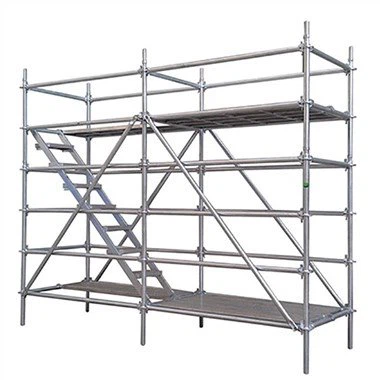
Ringlock scaffolding is a modular system that consists of vertical standards, horizontal ledgers, and diagonal braces. The unique feature of ringlock scaffolding is its circular rosette with multiple connection points, which allows for quick and secure assembly. The system is known for its high load - bearing capacity, versatility, and ease of use.
Site Assessment
Before erecting ringlock scaffolding, a thorough site assessment is essential. The ground on which the scaffolding will be placed must be stable, level, and able to support the weight of the scaffolding and the loads it will carry. Uneven or soft ground can lead to settlement, which can compromise the stability of the scaffolding.
- Soil Testing: Conduct soil tests to determine the bearing capacity of the ground. If the soil is weak, appropriate measures such as using ground plates or footings may be required to distribute the load evenly.
- Leveling: Use a spirit level or laser level to ensure that the base plates are level. Any slope or unevenness should be corrected to prevent the scaffolding from tilting.
Component Quality
The quality of the ringlock scaffolding components is directly related to its stability. As a supplier, we take great care in sourcing and manufacturing high - quality components.
- Material Selection: Our Ringlock Scaffold Components are made from high - strength steel, which provides excellent durability and load - bearing capacity. The steel is treated to resist corrosion, ensuring a long service life.
- Manufacturing Standards: We adhere to strict manufacturing standards to ensure that each component meets or exceeds industry requirements. Components are precision - engineered to ensure a tight and secure fit, which is crucial for the stability of the entire structure.
Proper Assembly
Proper assembly of ringlock scaffolding is crucial for its stability. The following steps should be followed during the assembly process:


- Follow the Manufacturer's Instructions: Always refer to the manufacturer's assembly instructions. These instructions provide detailed information on how to assemble the scaffolding correctly, including the order of installation and the tightening torque for the connections.
- Correct Placement of Components: Place the vertical standards at the correct spacing as specified in the design. The horizontal ledgers should be attached firmly to the standards using the ringlock connections. Diagonal braces should be installed to provide additional stability.
Load Considerations
Understanding the load requirements of the scaffolding is essential for ensuring its stability.
- Design Load: Determine the design load of the scaffolding based on the intended use. This includes the weight of workers, materials, and equipment that will be placed on the scaffolding. The scaffolding should be designed to safely support these loads.
- Load Distribution: Ensure that the loads are evenly distributed across the scaffolding. Overloading a particular area can cause the scaffolding to become unstable.
Inspection and Maintenance
Regular inspection and maintenance are necessary to ensure the continued stability of ringlock scaffolding.
- Pre - use Inspection: Before each use, conduct a thorough inspection of the scaffolding. Check for any damaged or missing components, loose connections, or signs of wear and tear. Any issues should be addressed immediately.
- Periodic Inspections: Conduct periodic inspections during the life of the scaffolding. These inspections should be carried out by a qualified person who can identify potential problems and recommend appropriate repairs or maintenance.
- Maintenance: Perform regular maintenance on the scaffolding, such as lubricating the connections and replacing any worn or damaged components. This will help to ensure that the scaffolding remains in good working condition.
Safety Measures
In addition to the above factors, implementing safety measures is crucial for ensuring the stability of ringlock scaffolding.
- Guardrails and Toeboards: Install guardrails and toeboards around the perimeter of the scaffolding to prevent falls. These safety features provide an additional layer of protection for workers.
- Fall Protection Systems: Provide appropriate fall protection systems, such as safety harnesses and lanyards, for workers who are working at height on the scaffolding.
- Training: Ensure that all workers involved in the erection, use, and dismantling of the scaffolding are properly trained. Training should cover topics such as assembly, load requirements, safety procedures, and inspection techniques.
Connection Integrity
The connections between the Scaffolding Ledger And Standard and other components are critical for the stability of the ringlock scaffolding.
- Tightening: Make sure that all connections are tightened to the recommended torque. Loose connections can cause the scaffolding to shift or collapse.
- Inspection of Connections: Regularly inspect the connections for signs of damage or wear. If any connections are found to be damaged, they should be replaced immediately.
Weather Considerations
Weather conditions can have a significant impact on the stability of ringlock scaffolding.
- Wind Load: High winds can exert a significant force on the scaffolding. When erecting scaffolding in areas prone to high winds, additional bracing and anchoring may be required.
- Rain and Snow: Moisture can cause corrosion of the scaffolding components and make the surfaces slippery. Take appropriate measures to protect the scaffolding from the elements, such as using covers and ensuring proper drainage.
Design and Engineering
A well - designed ringlock scaffolding system is essential for its stability.
- Professional Design: Engage a professional engineer to design the scaffolding system based on the specific requirements of the project. The design should take into account factors such as load capacity, wind load, and site conditions.
- Compliance with Standards: Ensure that the scaffolding design complies with relevant national and international standards. This will help to ensure that the scaffolding is safe and stable.
Dismantling
Proper dismantling of the ringlock scaffolding is also important for safety and stability.
- Follow the Reverse Assembly Process: Dismantle the scaffolding in the reverse order of assembly. This will help to prevent any sudden movements or collapses.
- Inspect Components During Dismantling: As the components are being removed, inspect them for damage. Damaged components should be set aside for repair or replacement.
In conclusion, ensuring the stability of ringlock scaffolding requires a comprehensive approach that includes site assessment, component quality, proper assembly, load consideration, inspection and maintenance, safety measures, and compliance with design and engineering standards. As a supplier of ringlock scaffolding, we are committed to providing high - quality products and technical support to help our customers ensure the stability and safety of their scaffolding systems.
If you are in need of ringlock scaffolding for your project, or if you have any questions about ensuring its stability, please feel free to contact us for a detailed discussion. Our team of experts is ready to assist you in making the right choices for your construction needs.
References
- Construction Industry Institute. (2018). Scaffolding Safety Guidelines.
- International Organization for Standardization. (2019). ISO 4462: Scaffolding - Safety Requirements.
- National Fire Protection Association. (2020). NFPA 105: Standard for Fire Service Scaffolding.