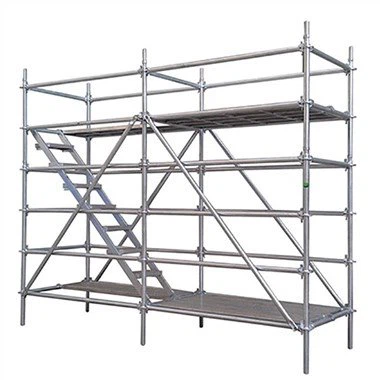
Hey there! If you're here, you're probably curious about the thickness range of steel planks. Well, you've come to the right place. I'm a supplier of all sorts of steel planks, and I'm more than happy to share what I know about their thickness.
First off, why does the thickness of steel planks matter? Well, it's all about strength and durability. The right thickness can ensure that the planks can withstand the weight and stress of whatever they're being used for. Whether it's for construction scaffolding, industrial flooring, or some other application, getting the thickness right is crucial.
Common Thickness Ranges
Steel planks come in a variety of thicknesses, and the range can vary depending on the specific type and application. Generally, the thickness of steel planks can range from around 1.5 mm to 6 mm. Let's break it down a bit further.
Thinner Steel Planks (1.5 - 2.5 mm)
These thinner steel planks are often used in applications where weight is a concern. For example, in some lightweight scaffolding setups, thinner planks can be used to reduce the overall weight of the structure without sacrificing too much strength. They're also a good choice for applications where the load is relatively light. However, it's important to note that thinner planks may not be as durable as thicker ones, especially in high-traffic or heavy-duty applications.
Medium Thickness Steel Planks (2.5 - 4 mm)
This is probably the most common thickness range for steel planks. Medium-thickness planks offer a good balance between strength and weight. They're suitable for a wide range of applications, including general construction scaffolding, walkways, and platform flooring. These planks can handle moderate loads and are more durable than the thinner ones. They're a great choice for most projects where you need a reliable and cost-effective solution.
Thicker Steel Planks (4 - 6 mm)
Thicker steel planks are used in heavy-duty applications where strength and durability are of the utmost importance. For example, in industrial settings where there's a lot of heavy machinery or foot traffic, thicker planks can provide the necessary support. They're also commonly used in some high-rise construction projects where the planks need to withstand high wind loads and heavy equipment.
Factors Affecting Thickness Selection
Now that you know the general thickness ranges, let's talk about some of the factors that can influence your decision when choosing the right thickness for your project.
Load Capacity
This is one of the most important factors to consider. You need to determine how much weight the planks will need to support. If you're using the planks for a scaffolding system that will have workers and equipment on it, you'll need to choose a thicker plank to ensure it can handle the load. On the other hand, if it's just for a light walkway or storage area, a thinner plank might be sufficient.
Application Environment
The environment where the steel planks will be used also plays a role in thickness selection. If the planks will be exposed to harsh weather conditions, chemicals, or abrasive materials, a thicker and more durable plank may be necessary. For example, in a marine environment where there's a lot of saltwater corrosion, you might want to choose a thicker galvanized steel plank to ensure it lasts.
Cost
Of course, cost is always a consideration. Thicker steel planks generally cost more than thinner ones. You need to balance your budget with the requirements of your project. Sometimes, a slightly thinner plank might be a more cost-effective solution as long as it can meet the necessary load and durability requirements.
Types of Steel Planks and Their Thickness
Let's take a look at some of the different types of steel planks and how their thickness might vary.
Perforated Metal Planks
Perforated metal planks are designed with holes or perforations in them. These holes can provide better drainage, ventilation, and traction. The thickness of perforated metal planks can vary depending on the specific application. For light-duty applications, a thinner plank (around 1.5 - 2.5 mm) might be used. However, for heavier applications, a medium or thicker plank (2.5 - 6 mm) would be more appropriate.
Steel Plank with Hook
Steel planks with hooks are commonly used in scaffolding systems. The hooks allow for easy installation and connection between planks. The thickness of these planks typically falls in the medium range (2.5 - 4 mm). This thickness provides enough strength to support workers and equipment on the scaffolding, while also being manageable for installation.


Galvanised Scaffold Planks
Galvanised scaffold planks are coated with a layer of zinc to protect against corrosion. These planks are often used in construction scaffolding, especially in outdoor or wet environments. The thickness of galvanised scaffold planks can vary from 2.5 mm to 6 mm, depending on the load requirements and the expected lifespan of the planks.
How to Choose the Right Thickness for Your Project
So, how do you go about choosing the right thickness of steel planks for your specific project? Here are some steps you can follow:
- Determine the Load Requirements: Calculate the maximum weight that the planks will need to support. This includes the weight of workers, equipment, and any materials that will be placed on the planks.
- Consider the Application Environment: Think about the conditions where the planks will be used. Will they be exposed to moisture, chemicals, or high temperatures? This can help you determine if a thicker and more durable plank is needed.
- Evaluate Your Budget: Decide how much you're willing to spend on the steel planks. Remember, thicker planks are generally more expensive, but they may also offer better long-term value.
- Consult with an Expert: If you're still unsure about which thickness to choose, it's a good idea to consult with a professional in the industry. They can provide you with more specific advice based on your project requirements.
Conclusion
In conclusion, the thickness range of steel planks can vary from 1.5 mm to 6 mm, and the right choice depends on several factors, including load capacity, application environment, and cost. As a steel plank supplier, I've seen firsthand how important it is to choose the right thickness for a project. Whether you're looking for a lightweight solution for a small project or a heavy-duty plank for an industrial application, there's a steel plank out there that's perfect for you.
If you're interested in purchasing steel planks for your project, I'd love to help you find the right solution. Just get in touch with me, and we can discuss your specific needs and requirements.
References
- Construction Steel Handbook (various editions)
- Steel Plank Industry Standards and Guidelines
- Engineering Texts on Structural Steel Applications