


Stainless Steel Pipe

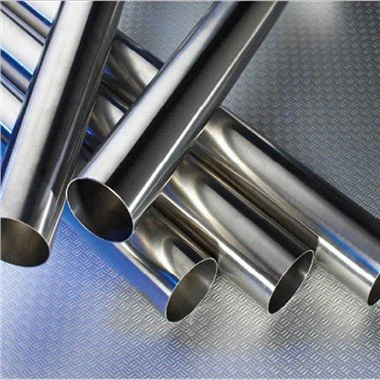
Product Name: Stainless Steel Tube, SS Pipe, Stainless Pipe
Diameter: DN15-DN1000(21.3-1016mm)
Material: TP304, TP304L, TP316, TP316L, TP321
Wall thickness: 0.8-26mm
Surface: Polishing, Annealing, Pickling, Bright
Length: 6.0m or custimized
Standard: ASTM, JIS, EN,GB/T12771, GB/T19228
Industrial ss pipe: ASTM A312, ASTM A358, ASTM A790, ASTM A928, JIS G3459, JIS G3468, EN10217
Thin-walled ss pipe: JIS G3448, EN10312, CJ/T151, GB/T19228
Food grade ss pipe:DIN 11850, ASTM A270, EN10312, JIS G3447, ISO2037
Structure ss pipe:GB/T12770, JG-T3030, ASTM A554, JIS G3446
Industrial fluid transmission Stainless pipe
|
Nominal Pipes Size |
OD |
Kg/m Materials:304 (Wall Thickness,Weight) |
||||||||||||
|
Sch5s |
Sch10s |
Sch20s |
Sch40s |
|||||||||||
|
DN |
In |
mm |
In |
mm |
kg/m |
In |
mm |
Kg/m |
In |
mm |
Kg/m |
In |
mm |
Kg/m |
|
DN15 |
1/2’’ |
21.34 |
0.065 |
1.65 |
0.809 |
0.083 |
2.11 |
1.011 |
||||||
|
DN20 |
3/4’’ |
26.67 |
0.065 |
1.65 |
1.028 |
0.083 |
2.11 |
1.291 |
||||||
|
DN25 |
1’’ |
33.40 |
0.065 |
1.65 |
1.305 |
0.109 |
2.77 |
2.113 |
0.120 |
3.05 |
2.306 |
0.133 |
3.38 |
2.528 |
|
DN32 |
1 1/4’’ |
42.16 |
0.065 |
1.65 |
1.665 |
0.109 |
2.77 |
2.718 |
0.120 |
3.05 |
2.971 |
0.140 |
3.56 |
3.423 |
|
DN40 |
1 1/2’’ |
48.26 |
0.065 |
1.65 |
1.916 |
0.109 |
2.77 |
3.139 |
0.120 |
3.05 |
3.435 |
0.145 |
3.68 |
4.087 |
|
DN50 |
2’’ |
60.33 |
0.065 |
1.65 |
2.412 |
0.109 |
2.77 |
3.972 |
0.120 |
3.05 |
4.352 |
0.145 |
3.91 |
5.495 |
|
DN65 |
2 1/2’’ |
73.03 |
0.083 |
2.11 |
3.728 |
0.120 |
3.05 |
5.317 |
0.156 |
3.96 |
6.813 |
0.203 |
5.16 |
8.724 |
|
DN80 |
3’’ |
88.90 |
0.083 |
2.11 |
4.562 |
0.120 |
3.05 |
6.522 |
0.156 |
3.96 |
8.379 |
0.216 |
5.49 |
11.407 |
|
DN90 |
3 1/2’’ |
101.60 |
0.083 |
2.11 |
5.229 |
0.120 |
3.05 |
7.487 |
0.156 |
3.96 |
9.632 |
0.226 |
5.74 |
13.706 |
|
DN100 |
4’’ |
114.30 |
0.083 |
2.11 |
5.897 |
0.120 |
3.05 |
8.452 |
0.203 |
5.16 |
14.028 |
0.237 |
6.02 |
16.237 |
|
DN125 |
5’’ |
141.30 |
0.109 |
2.77 |
9.559 |
0.134 |
3.40 |
11.679 |
0.203 |
5.16 |
17.499 |
0.258 |
6.55 |
21.986 |
|
DN150 |
6’’ |
168.28 |
0.109 |
2.77 |
11.420 |
0.134 |
3.40 |
13.964 |
0.216 |
5.49 |
22.262 |
0.280 |
7.11 |
28.545 |
|
DN200 |
8’’ |
219.08 |
0.134 |
2.77 |
14.926 |
0.148 |
3.76 |
20.167 |
0.237 |
6.02 |
31.950 |
0.322 |
8.18 |
42.974 |
|
DN250 |
10’’ |
273.05 |
0.156 |
3.40 |
22.838 |
0.165 |
4.19 |
28.052 |
0.237 |
6.02 |
40.043 |
0.365 |
9.27 |
60.911 |
|
DN300 |
12’’ |
323.85 |
0.156 |
3.96 |
31.555 |
0.180 |
4.57 |
36.346 |
0.237 |
6.02 |
47.661 |
0.375 |
9.53 |
74.617 |
|
DN350 |
14’’ |
355.60 |
0.156 |
3.96 |
34.687 |
0.188 |
4.78 |
41.772 |
0.258 |
6.55 |
56.951 |
0.437 |
11.10 |
95.255 |
|
DN400 |
16’’ |
406.40 |
0.165 |
4.19 |
41.980 |
0.188 |
4.78 |
47.821 |
0.258 |
6.55 |
65.240 |
0.437 |
11.10 |
109.301 |
|
DN450 |
18’’ |
457.20 |
0.165 |
4.19 |
47.394 |
0.203 |
5.16 |
58.103 |
0.322 |
8.18 |
91.494 |
0.563 |
14.30 |
157.767 |
|
DN500 |
20’’ |
508.00 |
0.203 |
5.16 |
64.633 |
0.217 |
5.50 |
68.845 |
0.375 |
9.53 |
118.333 |
0.595 |
15.10 |
185.400 |
|
DN550 |
22’’ |
558.00 |
0.203 |
5.16 |
71.060 |
0.217 |
5.50 |
75.695 |
0.375 |
9.53 |
130.203 |
0.626 |
15.90 |
214.709 |
|
DN600 |
24’’ |
609.60 |
0.216 |
5.49 |
82.616 |
0.285 |
6.50 |
97.651 |
0.375 |
9.53 |
142.452 |
0.689 |
17.50 |
258.111 |
|
DN700 |
28’’ |
711.20 |
0.216 |
5.49 |
96.510 |
0.322 |
8.18 |
143.25 |
0.500 |
12.7 |
220.975 |
0.689 |
17.50 |
302.401 |
|
DN750 |
30’’ |
762.00 |
0.258 |
6.55 |
123.260 |
0.322 |
8.18 |
153.601 |
0.500 |
12.7 |
237.046 |
0.689 |
17.50 |
314.546 |
|
DN800 |
32’’ |
812.80 |
0.322 |
8.18 |
163.952 |
0.500 |
12.7 |
253.117 |
0.689 |
17.50 |
346.691 |
|||
|
DN850 |
34’’ |
863.60 |
0.322 |
8.18 |
174.304 |
0.500 |
12.7 |
269.188 |
0.689 |
17.50 |
368.836 |
|||
|
DN900 |
36’’ |
914.40 |
0.322 |
8.18 |
184.655 |
0.500 |
12.7 |
285.259 |
0.748 |
19.10 |
425.967 |
|||
|
DN1000 |
40’’ |
1016.00 |
0.375 |
9.53 |
238.928 |
0.563 |
14.3 |
356.819 |
1.031 |
26.20 |
645.985 |
|||
|
|
|


|
|
|
|


Definition of Stainless Steel Pipe
Stainless steel pipe is primarily used in piping systems for the transport of fluids or gases. We manufacture steel pipe from a steel alloy containing nickel as well as chromium, which give stainless steel its corrosion-resistant properties. Stainless steel pipe resists oxidation, making it a low-maintenance solution that is suitable for high temperature and chemical applications. Because it is easily cleaned and sanitized, stainless steel pipe is also desired for applications involving food, beverages, and pharmaceutical applications.
Thin-walled Stainless Steel Pipe
|
JIS G3448 |
EN10312 |
CJ/T 151 |
GB/T 19228 |
|||||||||
|
OD |
T |
OD |
T |
OD |
T |
OD(mm) |
OD Tolerence |
T(mm) |
T Tolerence |
|||
|
(mm) |
(mm) |
(mm) |
(mm) |
(mm) |
(mm) |
I |
S1 |
S2 |
||||
|
9.53 |
0.7 |
10.0 |
0.6 |
10.0 |
0.6 |
0.8 |
12.7 |
+/-0.10 |
0.8 |
0.6 |
+/-10% |
|
|
12.7 |
0.8 |
12.0 |
12.0 |
16 |
+/-0.10 |
1.0 |
0.8 |
|||||
|
15.88 |
15.0 |
16.0 |
18 |
|||||||||
|
22.22 |
1.0 |
22.0 |
0.7 |
20.0 |
1.0 |
20 |
+/-0.11 |
1.2 |
1.0 |
|||
|
28.58 |
28.0 |
0.8 |
22.0 |
22 |
||||||||
|
34.00 |
1.2 |
35.0 |
1.0 |
25.4 |
0.8 |
25.4 |
+/-0.14 |
1.2 |
1.0 |
|||
|
42.7 |
42.0 |
1.1 |
28.0 |
28 |
||||||||
|
48.60 |
76.1 |
1.5 |
35.0 |
1.0 |
1.2 |
32 |
+/-0.17 |
1.5 |
1.2 |
|||
|
60.50 |
1.5 |
103.0 |
38.0 |
35 |
||||||||
|
76.30 |
108.0 |
42.0 |
40 |
+/-0.21 |
1.5 |
1.2 |
||||||
|
89.10 |
2.0 |
128.0 |
50.8 |
42 |
||||||||
|
114.30 |
133.0 |
76.1 |
50.8 |
+/-0.26 |
1.5 |
1.2 |
||||||
|
139.80 |
159.0 |
2.0 |
88.9 |
1.5 |
2.0 |
54 |
||||||
|
165.20 |
3.0 |
219.0 |
3.0 |
102.0 |
60.3 |
+/-0.32 |
1.5 |
1.5 |
||||
|
216.30 |
267.0 |
108.0 |
63.5 |
|||||||||
|
267.40 |
133.0 |
2.0 |
76.1 |
+/-0.38 |
2.0 |
1.5 |
||||||
|
318.50 |
159.0 |
3.0 |
88.9 |
+/-0.44 |
2.0 |
|||||||
|
219.1 |
3.0 |
101.6 |
+/-0.54 |
2.0 |
- |
|||||||
|
273.1 |
108 |
- |
||||||||||
|
323.9 |
Attention: " I " series preferred |
|||||||||||
|
|
|


|
|
|
|


Food hygienic grade Stainless pipe
|
T(mm) |
1 |
1.2 |
1.5 |
2.0 |
3.0 |
4.0 |
5.0 |
6.0 |
| OD(mm) |
Kgs/Meter Materials:304 |
|||||||
|
18 |
0.42 |
0.50 |
0.62 |
|||||
|
22 |
0.62 |
0.77 |
||||||
|
28 |
0.80 |
1.00 |
||||||
|
29 |
0.83 |
1.03 |
||||||
|
34 |
0.98 |
1.21 |
||||||
|
35 |
1.01 |
1.25 |
||||||
|
40 |
1.16 |
1.44 |
||||||
|
41 |
1.19 |
1.48 |
||||||
|
52 |
1.52 |
1.89 |
2.49 |
|||||
|
53 |
1.55 |
1.92 |
2.54 |
|||||
|
54 |
1.96 |
2.59 |
||||||
|
70 |
2.56 |
3.39 |
||||||
|
85 |
2.79 |
3.70 |
||||||
|
104 |
3.83 |
5.59 |
||||||
|
129 |
6.33 |
11.16 |
||||||
|
154 |
9.43 |
11.28 |
||||||
|
204 |
10.06 |
15.02 |
||||||
|
254 |
12.55 |
18.76 |
24.91 |
31.01 |
37.07 |
|||
|
306 |
15.15 |
22.64 |
30.09 |
37.49 |
44.84 |
|||
|
|
|
|


Stainless Steel Round Pipe
Outside diameter:12.70-711.00mm
Thickness:1.0-10.0mm
Length:3-6m

Stainless Steel Square Pipe
Outside diameter:15x15-250x250mm
Thickness:1.0-10.0mm
Length:3-6m

Stainless Steel Rectangle Pipe
Outside diameter:20x40-200x300mm
Thickness:1.0-10.0mm
Length:3-6m




Why choose Youfa stainless steel pipe
Tianjin Youfa Stainless Steel Pipe Co., LTD., founded in August 2019, is a subsidiary of Tianjin Youfa Steel Pipe Group Co., LTD (Youfa Steel Pipe Group is a large-scale comprehensive enterprise integrating steel pipe design, research and development, production, sales and service).The company have 20 welded stainless steel pipe production line and 60 stainless steel pipe fitting machine which can produce about 43000 Ton stainless steel pipe and fitting each year.
Tianjin Youfa Stainless Steel Pipe Co., Ltd. is committed to the development and production of stainless steel pipe and fittings. “YOUFA” Brand Stainless steel pipe and Fitting are with the safety and health, corrosion resistance, durable, long life, maintenance free, beautiful, safe and reliable, quick and convenient installation characteristics. “YOUFA” Brand Stainless steel pipe and Fitting are widely used in industrial fluid conveying,boiler heat exchanger and condenser,water engineering, construction engineering,food sanitary industry,mechanical use,etc. All our pipes and fittings are fully in line with the latest national product ,which are the first choice for purifying water supply and maintaining healthy life.
Benefits of Stainless Steel Pipe
Stain and corrosion resistant
Corrosion is the main enemy of metal piping. The outer surface of steel, iron and concrete piping can degrade from soil and UV light. Interior walls of piping made from other materials will tend to rust, are damaged through abrasion, or accumulate debris. But thanks to the corrosion resistance properties of stainless steel pipes, this is far less common. This gives stainless steel the edge when it comes to applications like sanitary water delivery or hospital applications.
Value
When you use stainless steel pipes, you are buying a durable product that will last your business for decades. It is a reliable material that is easy to maintain and install. Stainless steel is low-maintenance, and due to its corrosion-resistant properties, it is unlikely they will need to be replaced for decades.
Strength and versatility
Different materials such as nickel, molybdenum, or nitrogen can be added to stainless steel to enhance its corrosion-resistant properties. Stainless steel can handle extreme temperatures. By adding different materials to stainless steel allows for thinner pipe walls and less material which means less added weight to the finished product making it ideal for many commercial and industrial uses.
Appearance
Exposed stainless steel pipe and fittings are an excellent choice for commercial establishments as the material has a naturally shiny and elegant look.
Environment-friendly
Stainless steel is not a petroleum product. In fact, it doesn't need to be coated or lined with any materials at all, unlike other piping materials. When you need to replace or dispose of stainless steel piping, it is 100% recyclable, reducing the environmental impact. As much as 50% of all new stainless steel that is produced in the United States is made from recycled scrap metal.
Common Applications for Stainless Steel Pipes


Medical device industry
Metal tubing plays a critical role in the medical industry, serving as the backbone for a wide range of medical devices and instruments. From disposable and reusable medical instruments to orthopedic and ophthalmologic tools, stainless steel tubing is a foundational component in producing these essential medical items. Medical-grade stainless steel tubing, such as alloys 304 and 316, has stood the test of time and is relied upon for countless medical applications worldwide. The time-tested nature of these materials highlights their importance in ensuring the safety and effectiveness of medical devices used in various healthcare settings.
Precision engineering
Stainless tubes with precise dimensions play a crucial role in precision engineering applications. Tube diameter becomes critical in applications where accuracy is paramount, ensuring a seamless fit in machinery and equipment.
Construction industry
Stainless steel pipes play a crucial role in the construction industry and are extensively used in building structures, bridges, and infrastructure. Their resilience against extreme weather conditions, corrosion resistance, and ability to withstand heavy loads make them an ideal choice for such applications. Stainless steel pipes ensure the safety and longevity of buildings, ensuring they stand the test of time.
Automotive industry
In the automotive industry, stainless steel pipes find numerous applications, primarily in exhaust systems. The high-temperature resistance of stainless steel ensures that these tubes can withstand the heat generated by vehicle engines. Additionally, their corrosion resistance allows them to endure exposure to harsh weather conditions and road salts, making them a durable choice for exhaust systems.
Food and beverage industry
Stainless steel pipes are essential in the food and beverage industry due to their hygienic properties and corrosion resistance. They are commonly used in food processing equipment, dairy processing plants, breweries, and beverage production facilities. Stainless steel pipes prevent contamination, maintain product quality, and ensure compliance with stringent hygiene standards.
Pharmaceutical industry
The pharmaceutical industry uses stainless steel pipes to produce sterile and corrosion-resistant equipment. These tubes are widely used in pharmaceutical manufacturing processes, such as fluid transfer, filtration, and storage. Stainless steel's inert nature ensures that it does not react with drugs or chemicals, maintaining the integrity and purity of the final product.
Oil and gas industry
Stainless steel pipes are indispensable in the oil and gas industry, particularly for drilling, extraction, and transportation. They are used in pipelines, refineries, offshore platforms, and petrochemical plants. Stainless steel's resistance to corrosion and high-pressure environments makes it an ideal material for these applications, ensuring safe and efficient oil and gas transport.

How Does Stainless Steel Pipe Resist Corrosion?
Stainless steel pipe resists corrosion because of the added chromium (and sometimes other additional elements). Corrosion occurs on carbon steel when the iron from the steel is allowed to combine with oxygen in its surrounding environment. The chromium in stainless steel is able to prevent this as it combines with the oxygen and forms a passive layer of chromium oxide.
This layer of chromium oxide prevents the formation of iron oxide, (also known as rust), in many situations, so long as the chromium content of the steel is great enough. Different grades of stainless steel designate and dictate the required amounts of chromium and other alloying elements, which helps to indicate the level of corrosion resistance.
How Do You Prevent Rust on Stainless Steel Pipes?
Apply a protective coating
The primary line of defense against rust on stainless steel pipes is the application of a suitable protective coating. This coating acts as a barrier between the steel and the external environment.
Regular inspection
Rust prevention demands constant attention. Conducting regular inspections on stainless steel pipes is crucial to identifying early signs of rust or corrosion. This proactive approach enables timely intervention before the damage escalates.
Keep a keen eye out for any discoloration, pitting, or flaking on the pipe's surface. Establishing a routine inspection schedule is imperative for effectively catching rust-related issues in their early stages. Consistency in these inspections is pivotal for timely intervention and ensuring the longevity of the pipes.
Keep the pipes dry
Moisture acts as a catalyst for rust, making it essential to keep stainless steel pipes dry. When exposed to rain, humidity, or other moisture sources, implement protective measures such as covers, enclosures, or specialized coatings resistant to moisture.
The key strategy in preventing rust is to hinder direct contact between steel and water. Ensuring stainless steel pipes remain dry is pivotal for their longevity and optimal functionality. By minimizing or eliminating contact with moisture, you disrupt the conditions necessary for rust to develop, fortifying the pipes against corrosion.
Use rust inhibitors
Rust inhibitors, or corrosion inhibitors, are purpose-built chemicals to impede or halt the formation of rust. They form a protective barrier on the steel surface, effectively shielding it from corrosive agents. Adhere to the manufacturer's guidelines for correct application, considering that these inhibitors might require periodic reapplication contingent on environmental factors and the specific product used.
The selection of an inhibitor should align with the environmental conditions to which the steel is exposed. Heightened awareness of the surroundings is essential in determining the optimal frequency for reapplication, ensuring sustained protection against rust.
Monitor environmental conditions
Maintaining an acute awareness of the environmental conditions enveloping your stainless steel pipes is pivotal in rust prevention. Extreme weather, elevated humidity levels, and exposure to corrosive substances like acids or salt markedly escalate the risk of rust. Consideration of these conditions empowers you to introduce extra protective measures as needed and tailor your maintenance schedule accordingly.
What Is a Stainless Steel Pipe Used For?
Stainless steel pipe for industrial use have been widely used in various fields, and its unique corrosion resistance and high-temperature resistance endow it with excellent reliability. As a high-quality pipe, industrial stainless steel pipe is widely used in various fields, and its unique corrosion and high temperature resistance gives it excellent reliability.
Chemical industry: Due to its excellent corrosion resistance, stainless steel pipes can maintain stable performance in corrosive media such as acid and alkali, and are used to transport liquids and gases, while ensuring the long life and safety of the pipes.
Oil and gas industry: The oil and gas industry requires pipes to be corrosion resistant and high pressure resistant in extreme environments. Stainless steel pipes play an important role in oil and gas extraction, transportation and storage due to their corrosion resistance and high strength.
Wastewater treatment
The wastewater treatment field requires pipes with corrosion resistance and durability, able to withstand harsh environmental conditions. Stainless steel pipes play an important role in wastewater treatment equipment, discharge piping, etc., to ensure environmental protection and public health.
Construction & Infrastructure
Stainless steel pipes are used in water supply, HVAC, fire protection systems and more. Their corrosion resistance and aesthetics make them popular in public buildings and residential projects.
Energy
Stainless steel pipes are used in a variety of applications in the energy sector, including nuclear, solar and wind power. Their high corrosion resistance and strength make them an important part of nuclear power plants, solar facilities and wind power stations.
The Difference Between Stainless Steel and Galvanized Steel Pipe
Stainless steel usually has better corrosion-resistant properties than galvanized steel. If the stainless steel becomes scratched, it can still maintain corrosion resistance around the affected area. However, if the zinc layer of galvanized steel is damaged, it can leave the underlying carbon steel exposed and vulnerable. And because galvanized steel is often dipped in zinc in large sheets then cut to size, the edges where the cuts are made are left exposed making it possible for rust to occur.
Stainless steel is also generally considered to be more aesthetically pleasing than galvanized steel, as stainless typically has a shiny, silver-like color, versus the dull-grey pattern of galvanized steel. However, stainless steel is also often more expensive than galvanized steel.
Tips to Choose the Right Stainless Steel Pipe for You
Quality
It is always important to check for quality because it can not be compromised at any cost. To look for cheaper rates, people tend to fall for low quality which causes problematic situations. It is hence always better to only go for good quality stainless steel pipe as any casualties and problems can be avoided. Good quality stainless steel pipe will have increased durability and better outcome.
Certification and Standardisation
Products with standardisation and certification mark the best quality and performance compared to those that come without one. Standardised products go through several tests to fetch certifications and provide you with a guarantee and if something happens you can always go and your complaints will be heard whereas the one with none will have no guarantee and it will not work for you in the long run
Check for reliable sources and customer reviews
When we go out to make any purchase, we should always consider the ones we know because you know they will provide the right product and guide us in the right direction. It is because a great bond and good connection with them and reliability work in your favour. For example, if any problem persists in future with the product they will always entertain it and provide the best services, sometimes for a longer time. After that, you can look for other options but those too reliable ones, to check for reliability it is important to check the previous customer reviews from true resources because that will help you go in the right direction.
Ultimate FAQ Guide to Stainless Steel Pipe
Q: What are stainless steel pipes used for?
Q: What are stainless steel pipe fittings used for?
Q: What are the disadvantages of stainless steel pipes?
Q: What is the difference between a stainless steel pipe and stainless steel tubes?
Q: Is stainless steel pipe stronger than steel pipe?
Q: Can I use stainless steel pipe for water?
Q: Where can I use stainless steel pipe?
Q: Will a magnet stick to stainless steel pipe?
Q: What is the reason for using stainless steel pipe?
Q: What is one advantage of stainless steel pipe?
Q: How do you join stainless steel pipe without welding?
Q: Can stainless steel pipe be used for water?
Q: Do stainless steel pipes rust?
Q: Which is better copper or stainless steel pipe?
Q: Can I bend stainless steel pipe?
Q: What do you use stainless steel pipe for?
Food processing.
Textile operations.
Breweries.
Water treatment plants.
Oil and gas processing.
Fertilizers and pesticides.
Chemical applications.
Construction.
Q: How long does stainless steel pipe last?
Q: Can you drink from stainless steel pipe?
Q: What temperature can stainless steel pipe withstand?