




Steel Coils

Definition of Steel Coils
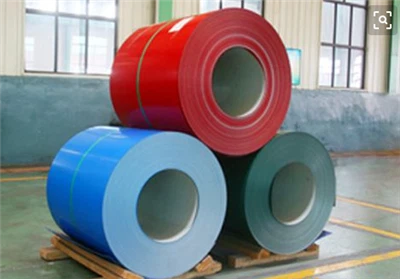
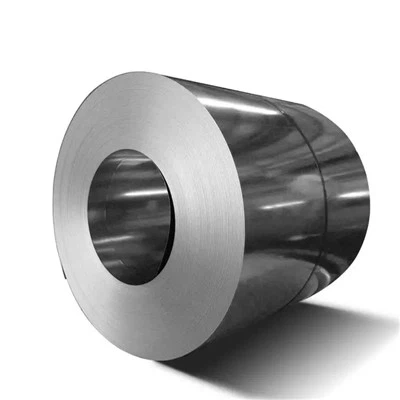
Steel coils are long, thin sheets of steel that are used in a variety of applications. They are produced by rolling steel at high temperatures and can be found in a variety of industries, including construction, automotive, and appliances. Steel coils have a variety of applications, including in construction, automotive, and appliances. They are often used as structural components or as part of the exterior of buildings. In the construction industry, steel coils are used to create metal roofs, wall panels, and floor decks. In the automotive industry, steel coils are used to create car bodies and parts. In appliances, steel coils are used to create refrigerator doors and washing machine drums.
Benefits of Steel Coils
Low Maintenance
Steel coils are low maintenance. You only have to remove them, wash them off, and reinstall them. In addition, cleaning steel coils is not laborsome nor expensive. These days it’s crucial to spend your money wisely by purchasing the highest-quality and most affordable steel products.
Durable and Resistant To Heat
Coils that are made from steel are extremely sturdy, and strong, and have resistance to heat, cold, or eroding. That's why we make sure to manufacture steel coils that can tolerate both extreme heat and cold elements without breaking or cracking in time.
Offers Lower Energy Bills
The main reason why industries are using steel coils is that they can conserve energy. Steel coils help to lower your energy bills with their capacity to retain heat even when exposed to extreme hot or cold weather, as previously mentioned.
Safe To Use
Fortunately, steel coils have no toxins which make them safer to use.
Finest Look
Steel coils can be easily fabricated and joined resulting in the finest look or beauty that your project needs. Many architects, consumers highly appreciate the beauty of steel coils in terms of their look and design flexibility.
Lower Environmental Impact
Industries are fully aware of the safe materials and lower environmental impact of using steel coils. Steel coils are 100% recyclable, which means these can be recycled into a material of the same quality.
Affordably Priced
Steel coils are known for being extremely sturdy and for their longevity, which allows you to save more money over time. Our steel coil price varies on the size you need, but we make sure to give an affordable price to our customers in addition to providing them with the highest-quality steel coils that they deserve.
What Are Some Industries That Use Steel Coils?


Construction
Like many other metal materials, steel coils are also popular in the construction industry. They're used as materials for roofing sheets. building panels, pipes, walls, reinforcing bars (rebars), and structural components like beams, columns, and trusses.
For roofing sheets, walls, and building panels, the steel coils are unrolled and flattened into sheets before being cut into the desired size and shape. As for pipes, rebars, and other structural components, the coils are unrolled, cut to length, and then welded or rolled into cylindrical shapes before being cut to the desired lengths.
Automotive
Steel coils can also be commonly used when producing various automotive components. These include car body parts, chassis components, and even exhaust pipes.
The steel is unrolled, cut to size, and then stamped into shape with specialized machinery to produce doors, hoods, and fenders. It can also undergo stamping and welding to form chassis or engine components, or welding and bending to make exhaust system pipes.
Packaging
While steel coils are most often unrolled, cut to size, stamped, and welded to produce metal cans, this is not the only way they are used in the packaging industry.
Foil packaging is another product that comes from steel coils after the sheets pass through a series of rollers to reduce their thickness and increase their length, and a layer of aluminum is applied to provide protection against the elements.
Another application is steel drums that are used for the storage and transportation of liquids and powders. Formed in a similar way to metal cans, the resulting drums are coated with a layer of paint or other protective coatings to prevent corrosion.
Finally, steel coils are also used to produce steel straps that secure packages and pallets during the transportation of goods. The steel goes through a combination of stamping and heat-treating to achieve the desired shape and flexibility.
Consumer goods
Quite a number of things you find in stores are actually made of steel coils. These include appliances like refrigerators, washing machines, and ovens, furniture like desks, chairs, and shelving, tools like hammers, wrenches, and saws, sports equipment like golf clubs, tennis rackets, and bicycles, and various kinds of hardware like nails, screws, and bolts. For all of these, the coils are unrolled and flattened before going through a combination of processes including forging, welding, stamping, and heat-treating.
Machinery
Many machine parts are made out of steel coils, like frames, bearings and shafts, gears, springs, and engine components. The benefit of steel coils in the machinery industry is how flexible they are—because they can be shaped into a variety of forms, there are so many standard and customizable machine parts they can be formed into.
Energy and electrical equipment
Steel coils are used in the construction of wind turbines and transmission lines for the electrical power industry. They are also used in the production of pipelines, boiler tubes, pressure vessels, and solar panels. Their strength and durability are key in ensuring that the products formed from steel coils are long-lasting and reliable.
Steel coils are also used to produce transformers, various types of motors, generators, electromagnets, and electrical cabinets.
Steel Coils Measurements
The size of a steel coil is typically expressed through three main measurements; width, thickness, and length.
Width – Refers to the measurement from one edge to the other across its flattened surface. This is a vital measurement, as it determines the maximum distance between the edges of the sheet (or if the coil needs to be slit).
Thickness – Indicates the depth of each "layer" of the steel coil, or the thickness of the sheet once unrolled. Can be measured in gauges or inches.
Length – The full length of the steel coil when completely unrolled. This is important to determine how many coils a project may need, or as an indicator of a coil's weight.
Other measurements you might see include:
Outside Diameter (OD) – Refers to the measurement across the outer edges of the coil. It plays a crucial role in determining how the coil fits within specific machinery or storage facilities and affects transportation logistics due to its size and weight.
Inside Diameter (ID) – Indicates the measurement across the inner core of the coil. This measurement is important for compatibility with machinery and equipment that require a specific inner diameter for efficient operation. Additionally, it influences the stability and handling of the coil during transportation and storage.

How to Safely Ship Steel Coils?
When shipping a load of coil, you can help keep the load secure by specifying the number, size and weight of each coil, as well as a preferred loading configuration if you have one. This will help the driver prepare with proper securement materials, including dunnage, racks and tiedowns as needed.
Securement is a vital part of the driver's job and included in the overall price to move the load.
Two hours are usually allotted for a driver to load and secure at your location. The person who helps you book the load will be able to help you estimate the total hours required to secure your load.
Additional costs can add up if the driver arrives and the load is not as specified. If the driver needs to purchase different or additional securements, the cost of the materials plus time will be added to your final invoice.
In the trucking industry, it is always best to provide accurate specifications early in the process to avoid additional charges. A surcharge added to your invoice before the driver arrives on site will always be less than a surcharge added after the load is in process.
Steel Sheets

Definition of Steel Sheets
Steel sheet is the name given to steel that is rolled into flat metal sheets. It is useful for a number of applications that require increased strength without too much weight. Occasionally, steel sheets may be corrugated (creased at specific intervals) or diamonded (diamond ridges added) to increase the strength without adding additional weight.
Benefits of Steel Sheets
Steel sheets is simply pieces of metal that are processed into thin, flat pieces. These pieces of metal can then be shaped into a desired object through forming and moulding. Many of the objects you use on a day-to-day basis are made using steel sheets, from cars and machinery to household appliances and furniture, you just might not know it!
Strong & durable
Steel sheets is produced to be able to withstand great pressure, making it extremely durable and suitable for multiple uses, including agricultural environments to high traffic areas. It’s durability also means that the material can be exposed to various weathers and climates such as water, heat and corrosion. This makes steel sheets the perfect material for many fabrication projects.
Malleability
Using the proper fabrication equipment, steel sheets can be bent and moulded into practically any shape, whilst still keeping its strength and durability. Other types of metal cannot retain this strength and can be prone to cracking when bent and moulded. Other types of metal also use a mould most of the time, when a bespoke shape is being made, this means if you require a replacement, it can be very costly.
Cost-effective
If your project requires mass production of items, using steel sheets could be the most cost-effective solution. As the material is very affordable, customers can purchase it at a low cost and save themselves money on their projects.
Easy to repair
One of the most attractive benefits of steel sheets is that it is easily replaceable and easy to repair. If a fabricated item is damaged, metal workers can easily identify these damages and usually, steel sheets can be removed from the structure and replaced without having to dismantle the whole item.
9 Major Uses of Steel Sheets
Steel plates, also referred to as Steel Sheets, are made up of multiple steel layers that are compressed together to form individual plates. Those individual plates can be welded and cut as necessary, and they offer the strength and durability needed in a variety of applications. Steel plates come in different sizes and grades and are both corrosion and abrasion resistant. Due to variations in their thickness, they are an attractive alternative to steel sheet. They are used widely, for home construction, heavy civil construction, mining, machinery engineering, shipbuilding, for military projects, and in the oil and gas pipelines. More, specifically, here are some of the major uses of steel plates:
Construction
Steel plates play a versatile role in the construction industry. They're particularly common in the construction of bridges, building, and warehouses. They're also used for building large commercial structures like airports and sports arenas. Steel plates are used to help make building foundations stronger and to provide foundational support to bridges. They're also an essential component of most pre-fabricated homes, including the new, trendy "tiny houses."
In the heavy civil sector, steel plates are used for road plates, shoring plates, excavation, and more.
Military
Military buildings and vehicles are often fortified with the help of steel plates. They're common in jeeps, tanks, trucks, helicopters, jets, and ships used for military purposes. They're also used to test the strength of weapons and bullets. All branches of the military use steel plates in some fashion.
Ship construction
Easily welded and ultra-strong, steel plates are used in a significant number of ships and are probably one of the most commonly used materials in ship building. They're also a key component of many oil rigs and in offshore construction. Their corrosion resistance makes them ideal for these applications.
Pressure vessels
Pressure vessels like gas tanks and boilers, which need to protect against leaks and extreme temperatures, are frequently made of steel plates. Oftentimes, these steel plates are specifically engineered to be able to hold gas or fluid contents at different temperatures to reduce the risk of explosion.
Shipping
Large shipping containers are commonly built using steel plates. Steel plates help preserve the life of these shipping containers due to their corrosion and rust resistance, and they are strong enough to protect all different types of cargo.
Oil and gas
In addition to being used for construction of rigs, many oil and gas pipelines use steel plates to maximize their strength and ensure they last longer without corroding. Steel plates can easily be welded to suit the needs of pipelines and can also be used for repair purposes when parts of pipelines need to be patched up.
Household appliances
You probably weren't aware of this, but steel plates are even used to build your household refrigerators and dishwashers. In refrigerators, steel plates are beneficial because they help the appliance hold its temperature and are unlikely to rust even after years and years of use.
Automotive Industry
Steel plates are found in many cars on the road today. Due to their strength, they're essential in keeping drivers and passengers safe in the event of accidents. They can also be relatively light in weight in comparison to other materials of their strength, which means they help improve the fuel economy of cars.
Road Work
In addition to being used in almost every other area of construction, steel plates are also used for road work projects. Skid-resistant, steel road plates can be a viable and temporary fix to place over holes and other compromised areas of road to allow road traffic uninterrupted access to those areas during construction projects and road repair projects.
Youfa Factory
Tianjin Youfa were founded on July 1st, 2000, with the headquarters location at the largest welded pipe production basein China-Daqiuzhuang Village, Tianjin city, which is a large-scale steel pipe manufacturing enterprise producing many kinds of pipe products, such as ERW steel pipe, hot-dipped galvanized steel pipe, oil casing pipe, SSAW steel pipe, square/rectangular steel pipe, stainless steel pipe and pipe fitting, and scaffolding.
Adapting to the overall development strategy ofYoufa Steel Pipe Group——approaching the world and servicing globally——at thebeginning of 2010, the Group established Tianjin Youfa International Trade Co., Ltd as the foreign trade window of Youfa Steel Pipe Group to be responsible forexportation and importation, and in charge of supplying materials to foreignproject of some domestic large enterprises. Through several years of hard work, we have established export business relationship with many big TransnationalEnterprises. Based on the high quality and the considerate service, ourproducts have set up a prominent brand image at home and abroad. Our salesmarkets mainly are: Middle & South America, the Southeast Asia, Middle Eastand Africa and so on, nearly covering 100 countries and regions, obtaining awell-deserved reputation. We have built a long-term cooperation with manyclients, and have received word of praise from customers all over the world.

Ultimate FAQ Guide to Coils & Sheets
Q: How are steel coils transported?
Q: What are steel coils made of?
Q: How are steel coils used?
Q: How to steel coils on skids?
Q: What are the benefits of using steel coils?
Q: Should steel coils be stowed with their cores aligned?
Q: How are steel coils loaded?
Q: What precautions should be taken when loading steel coils?
Q: Steel coils: Why is steel made in coils?
Manufacturing of automotive components like frames, chassis, and body parts.
Construction materials, including roofing, wall cladding, structural beams, and pipes.
Production of appliances such as refrigerators, ovens, and washing machines.
Fabrication of storage tanks, containers, and shipping vessels.
Production of consumer goods like furniture, shelving, and hardware.
Q: Can steel coils rust?
Q: How is steel sheets made?
Q: What are the effective ways to prevent steel sheets from rusting?
Maintain its cleanliness.
Add a protective coating.
Avoid cracks or scratches.
Control the humidity.
Use galvanized metal.
Provide proper and regular maintenance.
Q: Why is the aviation industry using steel sheets?
Q: Why are steel sheets used in construction?
The use of steel sheets in construction industry is vast. It is used to construct buildings and bridges. Construction industry accounts for more than 50% of world steel demand. Uses of steel sheets in building construction include manufacturing products like structural sections, reinforcing bars and steel sheets. Structural sections provide stiff frames to the buildings and make up 25% of the steel used in buildings. Sheet products are made into roofs, purlins, internal walls, ceilings, cladding, and insulating panels for exterior walls.
Q: Why are steel sheets used in making pipelines?
Q: Why is defence industry using steel sheets?
Q: Why is the automobile industry using steel sheets?
Q: Why are railway tracks made using steel sheets?
Q: How do you transport steel coilss?
Q: How do you store Steel coils?