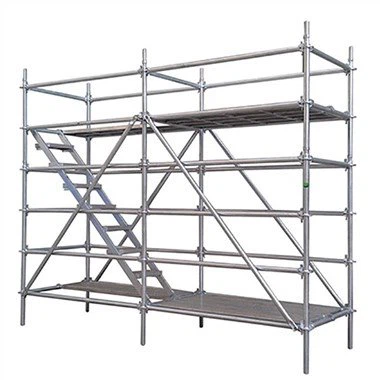
As a seamless pipe supplier, I often encounter inquiries from clients regarding the surface finish of seamless pipes. The surface finish of seamless pipes is a crucial aspect that not only affects the appearance but also influences the performance and durability of the pipes in various applications. In this blog, I will delve into what the surface finish of seamless pipes entails, its different types, and its significance in the industry.
Understanding Surface Finish
The surface finish of a seamless pipe refers to the condition of the pipe's outer and inner surfaces. It is determined by a combination of factors, including the manufacturing process, subsequent treatments, and the intended use of the pipe. A smooth and uniform surface finish is generally desirable as it can enhance the pipe's resistance to corrosion, reduce friction, and improve the overall aesthetic appeal.
Types of Surface Finishes
Mill Finish
The mill finish is the most basic surface finish for seamless pipes. It is the condition of the pipe as it comes out of the manufacturing process, typically a hot-rolling or cold-drawing process. Mill finish pipes have a rough surface with some scale, oxidation, and irregularities. This type of finish is suitable for applications where appearance is not a major concern, such as structural support in construction or general industrial piping systems.


Pickled Finish
Pickling is a chemical treatment process used to remove the scale, rust, and other impurities from the surface of the seamless pipe. The pipe is immersed in an acid solution, usually hydrochloric or sulfuric acid, which dissolves the unwanted materials. After pickling, the pipe has a clean, smooth surface with a matte appearance. Pickled finish pipes are commonly used in applications where corrosion resistance is important, such as in the food and beverage industry or chemical processing plants.
Galvanized Finish
Galvanizing is a process of coating the seamless pipe with a layer of zinc to protect it from corrosion. There are two main methods of galvanizing: hot-dip galvanizing and electro-galvanizing. Hot-dip galvanizing involves immersing the pipe in a bath of molten zinc, resulting in a thick and durable zinc coating. Electro-galvanizing, on the other hand, uses an electric current to deposit a thin layer of zinc onto the pipe surface. Galvanized finish pipes are widely used in outdoor applications, such as fencing, handrails, and water supply systems, where they are exposed to moisture and the elements. For more information on Gi Seamless Pipe, you can visit our website.
Polished Finish
A polished finish is achieved by mechanically or chemically smoothing the surface of the seamless pipe to a high degree of smoothness and shine. There are different levels of polish, ranging from a basic buffed finish to a mirror-like finish. Polished finish pipes are often used in applications where appearance is critical, such as in architectural structures, decorative elements, or high-end plumbing systems.
Coated Finish
In addition to galvanizing, seamless pipes can be coated with other materials to provide specific properties. For example, epoxy coatings can be applied to the pipe surface to enhance corrosion resistance and chemical resistance. Polyurethane coatings can improve the pipe's abrasion resistance and durability. Coated finish pipes are commonly used in specialized applications, such as oil and gas pipelines or offshore structures.
Significance of Surface Finish
Corrosion Resistance
A proper surface finish can significantly improve the corrosion resistance of seamless pipes. For example, a pickled or galvanized finish can protect the pipe from rust and oxidation, extending its service life in corrosive environments. In industries such as chemical processing, marine, and wastewater treatment, corrosion-resistant pipes are essential to ensure the safety and reliability of the piping systems.
Flow Characteristics
The surface finish of a seamless pipe can also affect the flow characteristics of fluids passing through it. A smooth surface finish reduces friction, allowing for a more efficient flow of liquids or gases. This is particularly important in applications where energy efficiency is a concern, such as in HVAC systems or water distribution networks.
Aesthetic Appeal
In some applications, the appearance of the seamless pipe is a significant factor. For example, in architectural and decorative applications, polished or coated finish pipes can enhance the visual appeal of the structure. A high-quality surface finish can also reflect positively on the overall quality and professionalism of the project.
Adhesion and Coating Performance
When seamless pipes are coated or painted, the surface finish plays a crucial role in the adhesion and performance of the coating. A clean and smooth surface provides a better base for the coating to adhere to, ensuring a more durable and long-lasting finish. This is important in applications where the pipe needs to be protected from harsh chemicals, abrasion, or UV radiation.
Factors Affecting Surface Finish
Manufacturing Process
The manufacturing process used to produce the seamless pipe can have a significant impact on its surface finish. Hot-rolled pipes tend to have a rougher surface finish compared to cold-drawn pipes. Cold-drawing can produce pipes with a smoother and more uniform surface finish, but it is a more expensive process.
Material Composition
The material composition of the seamless pipe also affects its surface finish. For example, carbon steel pipes may require different surface treatments compared to stainless steel pipes. Stainless steel pipes have better corrosion resistance and can achieve a higher-quality surface finish without the need for additional coatings in many cases. For more information on Carbon Steel Pipe A106, you can visit our website.
Post-Treatment Processes
Post-treatment processes such as pickling, galvanizing, polishing, or coating can further enhance or modify the surface finish of the seamless pipe. The quality and effectiveness of these processes depend on various factors, including the equipment used, the chemicals employed, and the expertise of the operators.
Quality Control and Inspection
To ensure the desired surface finish of seamless pipes, strict quality control and inspection procedures are necessary. This may include visual inspection, surface roughness measurement, coating thickness measurement, and corrosion resistance testing. At our company, we have a comprehensive quality control system in place to ensure that all our seamless pipes meet the highest standards of surface finish and quality.
Applications of Seamless Pipes with Different Surface Finishes
Construction Industry
In the construction industry, seamless pipes with mill finish or pickled finish are commonly used for structural support, scaffolding, and plumbing systems. Galvanized finish pipes are also popular for outdoor applications such as fencing and handrails.
Oil and Gas Industry
The oil and gas industry requires seamless pipes with high corrosion resistance and excellent flow characteristics. Api 5l Seamless Pipe with pickled or coated finish are often used for oil and gas transportation pipelines, both onshore and offshore.
Food and Beverage Industry
In the food and beverage industry, seamless pipes with a polished or pickled finish are preferred to ensure hygiene and prevent contamination. These pipes are used for transporting liquids such as water, milk, and juices.
Automotive Industry
The automotive industry uses seamless pipes for various applications, including exhaust systems, fuel lines, and hydraulic systems. Pipes with a smooth surface finish are required to ensure proper functioning and durability.
Conclusion
The surface finish of seamless pipes is a critical factor that can significantly impact their performance, durability, and appearance. As a seamless pipe supplier, we understand the importance of providing pipes with the right surface finish for different applications. Whether you need mill finish pipes for structural support, galvanized pipes for outdoor use, or polished pipes for decorative purposes, we can offer a wide range of seamless pipes to meet your specific requirements.
If you are interested in purchasing seamless pipes or have any questions about surface finish or other aspects of our products, please feel free to contact us. Our team of experts is ready to assist you in finding the best solutions for your projects.
References
- ASME B36.10M - Welded and Seamless Wrought Steel Pipe
- API 5L - Specification for Line Pipe
- ASTM A106 - Standard Specification for Seamless Carbon Steel Pipe for High-Temperature Service