Optimizing the use of steel props in a project is a crucial aspect that can significantly impact the efficiency, safety, and cost - effectiveness of construction or other related endeavors. As a steel props supplier, I have witnessed firsthand the different scenarios where steel props are used and the various ways they can be optimized.
Understanding the Basics of Steel Props
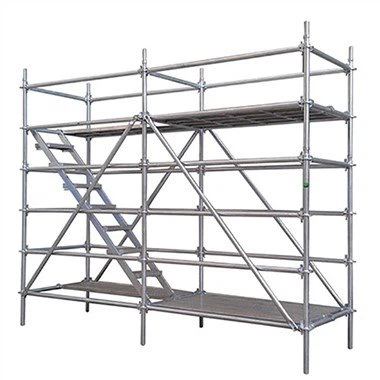
Steel props are essential components in construction, often used to provide temporary support to structures during building, renovation, or maintenance work. They come in different types, sizes, and load - bearing capacities. For instance, Push - pull Metal Props are known for their ease of adjustment and are suitable for a wide range of applications where quick setup and re - adjustment are required. On the other hand, Scaffolding Steel Prop is designed specifically for use in scaffolding systems, providing stable support for workers and materials. Heavy Duty Scaffold Props are engineered to carry heavier loads and are ideal for large - scale construction projects.
Before starting any project, it is vital to have a clear understanding of the load requirements. Calculate the maximum load that the steel props will need to support, including the weight of the structure, workers, and any equipment. This calculation will help you select the appropriate type and size of steel props. For example, if you are working on a small - scale interior renovation project, a standard - sized scaffolding steel prop may be sufficient. However, for a high - rise building construction, heavy - duty scaffold props will be necessary.
Proper Installation and Setup
The installation of steel props is a critical step in optimizing their use. First, ensure that the base of the steel prop is placed on a stable and level surface. Uneven ground can cause the props to tilt, leading to an unstable support system. If the ground is soft or uneven, use base plates or pads to distribute the load evenly.
When setting up multiple steel props, maintain a proper spacing between them. This spacing should be determined based on the load requirements and the type of structure being supported. Generally, closer spacing is required for heavier loads. Moreover, the alignment of the props is essential. They should be perfectly vertical to ensure that the load is transferred evenly. Use levels and plumb lines during the installation process to ensure accurate alignment.
During the installation, it is also important to make sure that the props are securely fastened. For push - pull metal props, ensure that the locking mechanisms are properly engaged and tightened. Loose props can pose a significant safety risk and can lead to the failure of the support system.
Regular Inspection and Maintenance
Once the steel props are installed and the project is underway, regular inspection is crucial. Conduct daily visual inspections to check for any signs of damage, such as cracks, bends, or corrosion. Cracks in the steel structure can weaken the prop and reduce its load - bearing capacity. Bends can cause uneven load distribution and may lead to the failure of the prop. Corrosion, especially in humid or coastal areas, can also compromise the integrity of the steel.
If any damage is detected during the inspection, the affected prop should be immediately removed from service and replaced. Do not attempt to repair a damaged prop on - site, as this may not restore its original strength and safety.
In addition to visual inspections, regular maintenance is also necessary. Lubricate the moving parts of push - pull metal props to ensure smooth operation. This will make it easier to adjust the height of the props and will also prevent wear and tear on the components. Also, keep the props clean to prevent the accumulation of dirt and debris, which can affect their performance.
Efficient Storage and Handling
Proper storage and handling of steel props can also contribute to their optimization. When not in use, store the props in a dry, well - ventilated area. Exposure to moisture can cause corrosion, which can reduce the lifespan of the props. If possible, store the props in a rack or on a pallet to keep them off the ground and prevent damage.
During handling, use appropriate lifting equipment to avoid dropping or mishandling the props. Dropping a prop can cause internal damage that may not be immediately visible but can weaken the prop over time. Also, be careful when transporting the props. Secure them properly to prevent them from shifting during transit, which can cause damage.
Training and Education for Workers
One of the most overlooked aspects of optimizing the use of steel props is training the workers. Workers should be trained on the proper installation, adjustment, inspection, and maintenance of steel props. They should understand the load - bearing capacities of different types of props and the importance of following safety procedures.
Training can include both theoretical and practical components. Theoretical training can cover topics such as load calculations, safety regulations, and the different types of steel props. Practical training can involve hands - on experience with installing and adjusting the props. By providing proper training, workers will be more confident and competent in using steel props, which will lead to a more efficient and safer project.
Cost - Effective Use
Optimizing the use of steel props also involves cost - effectiveness. One way to achieve this is by renting steel props instead of buying them, especially for short - term projects. Renting can save on the initial purchase cost and also on the storage and maintenance costs. However, if you have multiple long - term projects, buying the props may be more cost - effective in the long run.


Another cost - saving measure is to reuse the steel props whenever possible. With proper maintenance and inspection, steel props can be used for multiple projects. This reduces the need for continuous purchase of new props and helps to minimize waste.
Conclusion
Optimizing the use of steel props in a project is a multi - faceted process that involves understanding the basics, proper installation and setup, regular inspection and maintenance, efficient storage and handling, training of workers, and cost - effective use. By following these guidelines, you can ensure that the steel props provide reliable support, enhance the safety of the project, and reduce costs.
If you are interested in purchasing high - quality steel props for your project, whether it's Push - pull Metal Props, Scaffolding Steel Prop, or Heavy Duty Scaffold Props, do not hesitate to contact us. We are committed to providing you with the best products and services to meet your project requirements.
References
- Construction Safety Manual, 20XX Edition
- Steel Props Technical Specifications, Manufacturer's Handbook
- Best Practices in Temporary Support Structures, Industry Research Report