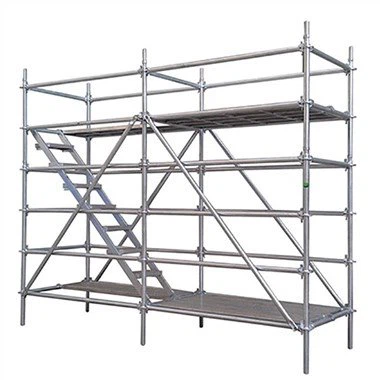
Hey there! As a supplier of Galvanized Steel Pipe, I often get asked about the pressure rating of these pipes. So, I thought I'd break it down for you guys in this blog post.
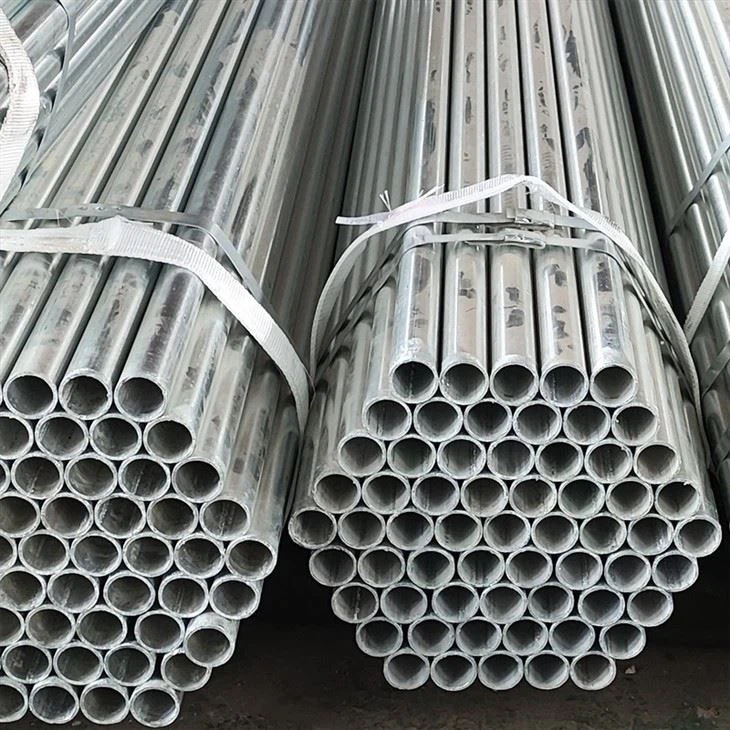
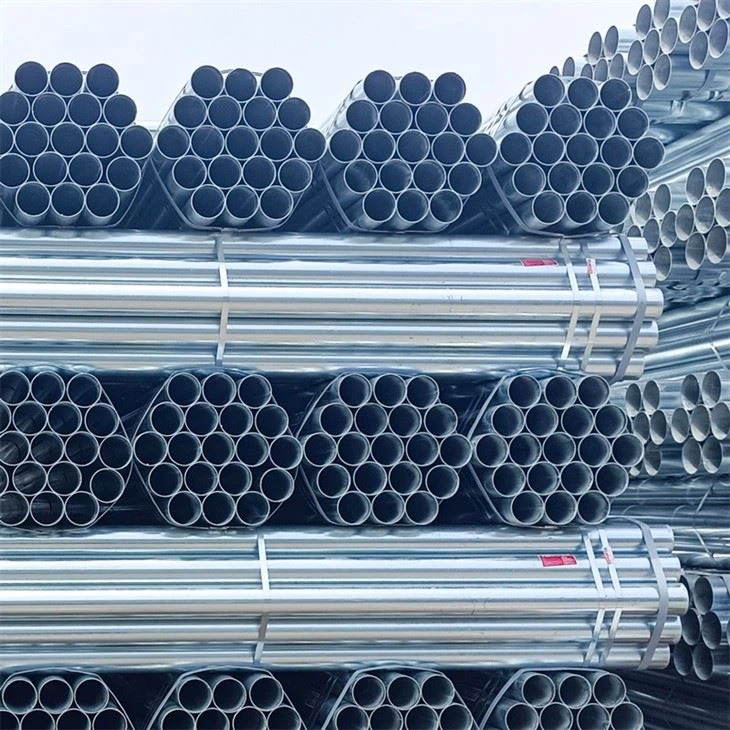
First off, let's understand what galvanized steel pipe is. Galvanized steel pipe is basically carbon steel pipe that's been coated with a layer of zinc. This zinc coating acts as a protective shield, preventing the pipe from rusting and corroding. It's widely used in various applications, from plumbing to construction.
Now, onto the pressure rating. The pressure rating of a galvanized steel pipe refers to the maximum amount of pressure that the pipe can safely handle without failing. This is a crucial factor to consider, especially when the pipe is used in systems where high pressure is involved, like water supply networks or industrial pipelines.
There are several factors that affect the pressure rating of galvanized steel pipes. One of the main factors is the pipe's wall thickness. Generally speaking, the thicker the wall of the pipe, the higher its pressure rating. This is because a thicker wall can withstand more force without deforming or bursting. For example, a pipe with a thicker wall can handle the pressure exerted by a large volume of water flowing through it at high speed.
Another important factor is the diameter of the pipe. Smaller diameter pipes usually have a higher pressure rating compared to larger diameter ones. This is because the pressure is distributed over a smaller area in a smaller pipe, allowing it to withstand more force per unit area. However, it's important to note that the relationship between diameter and pressure rating isn't always straightforward and can be influenced by other factors as well.
The grade of the steel used in the pipe also plays a significant role in determining its pressure rating. Different grades of steel have different mechanical properties, such as strength and ductility. Higher grade steels are generally stronger and can handle higher pressures. For instance, a pipe made from a high - strength steel grade will be able to withstand more pressure than one made from a lower grade steel.
The manufacturing process of the galvanized steel pipe can also impact its pressure rating. Pipes that are manufactured using advanced techniques and high - quality materials are more likely to have a consistent wall thickness and better mechanical properties, resulting in a higher pressure rating.
To determine the pressure rating of a specific galvanized steel pipe, you can refer to industry standards and codes. These standards provide guidelines and tables that list the pressure ratings for different pipe sizes, wall thicknesses, and steel grades. Some of the commonly used standards include ASTM (American Society for Testing and Materials) and ASME (American Society of Mechanical Engineers) standards.
Let's take a look at some common applications of galvanized steel pipes and their typical pressure requirements. In residential plumbing systems, the pressure is usually relatively low, typically ranging from 30 to 80 psi (pounds per square inch). Galvanized steel pipes used in these systems are usually selected based on their ability to handle this range of pressure.
In commercial and industrial applications, the pressure requirements can be much higher. For example, in a water treatment plant, the pipes may need to handle pressures of several hundred psi. In such cases, pipes with a higher pressure rating, often with thicker walls and higher grade steel, are required.
Now, let's talk about the different types of galvanized steel pipes we offer. We have Galvanized Steel Tube, which is commonly used in various structural and mechanical applications. These tubes are available in different sizes and wall thicknesses, allowing you to choose the one that best suits your pressure requirements.
Our Gi Hollow Pipe is another popular option. It's often used in fencing, handrails, and other decorative applications. Despite its decorative nature, it still needs to have a certain pressure rating to ensure its durability and safety.
We also offer Threaded Galvanized Steel Pipe. These pipes are easy to install and connect, making them a great choice for plumbing and other fluid - handling systems. The threaded ends allow for a secure connection, which is important when dealing with pressurized fluids.
When you're choosing a galvanized steel pipe for your project, it's crucial to accurately assess your pressure requirements. You can consult with a professional engineer or refer to industry standards to make an informed decision. If you're unsure about which pipe is the best fit for your needs, don't hesitate to reach out to us. Our team of experts is always ready to help you select the right galvanized steel pipe with the appropriate pressure rating for your specific application.
Whether you're working on a small DIY project or a large - scale industrial construction, having the right galvanized steel pipe with the correct pressure rating is essential for the safety and efficiency of your system. So, if you're in the market for galvanized steel pipes, we'd love to have a chat with you. Let's discuss your project requirements and find the perfect solution together.
In conclusion, understanding the pressure rating of galvanized steel pipes is key to ensuring the success of your projects. By considering factors like wall thickness, diameter, steel grade, and manufacturing process, you can select the right pipe for your needs. And if you need any assistance, we're just a message away.
References
- ASTM Standards for Galvanized Steel Pipes
- ASME Codes for Pressure Piping Systems