Hey there! I'm a supplier of steel planks, and today I wanna chat about a pretty important question: Are steel planks resistant to chemicals? It's a topic that comes up a lot when folks are thinking about using steel planks in different settings, so let's dig in.
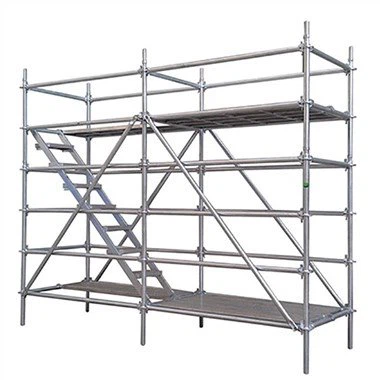
First off, let's understand what steel planks are. They're tough, durable pieces of steel that are used in a bunch of applications, like scaffolding. If you're interested in Steel Plank for Scaffolding, you'll find they're super handy for construction sites and other places where you need a stable platform. There are also Steel Plank with Hook options, which are great for easy installation and a secure fit. And of course, Plank Steel is the core material that gives these planks their strength.
Now, back to the main question: chemical resistance. Steel is a metal, and like all metals, it reacts differently to various chemicals. Some chemicals can be pretty harsh on steel, while others might not have much of an effect at all.
Let's start with the good news. Steel planks have a natural oxide layer on their surface. This layer acts as a bit of a shield, protecting the steel from some mild chemicals. For example, in a normal industrial environment where there are small amounts of dust and a bit of moisture in the air, steel planks can hold up well. They can resist the effects of things like mild acids that might be present in the atmosphere due to pollution.
But here's the catch. There are some chemicals that steel just doesn't get along with. Strong acids, for instance, can eat away at the steel. Hydrochloric acid, sulfuric acid, and nitric acid are all pretty nasty for steel. When these acids come into contact with steel, they start to break down the metal. The acid reacts with the iron in the steel, creating iron salts and hydrogen gas. Over time, this can lead to corrosion, which weakens the steel plank. You might start to see rust forming, and the structural integrity of the plank can be compromised.
Alkalis can also be a problem. While steel is generally more resistant to alkalis than acids, strong alkalis like sodium hydroxide can still cause issues. They can react with the steel's surface, causing it to become brittle and more prone to cracking.
Another factor to consider is the duration of exposure. Even if a chemical isn't super strong, if the steel plank is exposed to it for a long time, the effects can add up. For example, if a steel plank is constantly in contact with a slightly acidic solution in a factory setting, over months or years, the corrosion can become significant.
So, what can be done to make steel planks more resistant to chemicals? One option is to use a coating. There are different types of coatings available, such as epoxy coatings. These coatings create a barrier between the steel and the chemicals. They can resist a wider range of chemicals and protect the steel for a longer time. But it's important to choose the right coating for the specific chemicals the planks will be exposed to.
Galvanizing is another method. This involves coating the steel with a layer of zinc. Zinc is more reactive than steel, so when it's exposed to chemicals, the zinc corrodes first, protecting the steel underneath. Galvanized steel planks can have better chemical resistance, especially in environments where there's a risk of corrosion from moisture and some mild chemicals.
Now, let's talk about where you might need steel planks with good chemical resistance. In the chemical industry, for example, steel planks are used in areas where there are chemical storage tanks and processing equipment. In these places, there's a high risk of chemical spills, so the planks need to be able to withstand the chemicals that might come into contact with them.
In the food and beverage industry, steel planks are also used. Here, the main concern is usually cleaning chemicals. These chemicals are designed to kill bacteria and keep the area hygienic, but they can also be tough on steel. So, choosing planks with good chemical resistance is important to ensure the safety and longevity of the equipment.
In conclusion, steel planks can have some level of chemical resistance, but it really depends on the type of chemicals they're exposed to. If you're in an environment where there are strong acids or alkalis, you'll need to take extra precautions, like using coated or galvanized planks.
If you're thinking about using steel planks for your project and you're worried about chemical resistance, don't hesitate to reach out. We can help you choose the right type of steel plank for your specific needs. Whether it's Steel Plank for Scaffolding, Steel Plank with Hook, or Plank Steel, we've got options to suit your requirements. Let's have a chat and find the best solution for you.
References:


- "Corrosion of Metals" by Robert Baboian
- "Handbook of Corrosion Engineering" by Pierre R. Roberge