


For standard potable water lines, the best all-round choice is 304 (or 304L) stainless steel pipe; for coastal/high‑chloride or higher‑spec projects, use 316 (or 316L).
304 Stainless Steel - Most Common for Drinking Water
304 Stainless Steel is the most widely used stainless steel for potable water applications. It is considered safe for drinking water because it:
Resists rust and corrosion well
Does not easily contaminate water
Has a smooth, hygienic surface
Is durable and cost-effective
Best for: Municipal tap water, residential & commercial cold/hot water, buildings inland
Pros: Excellent corrosion resistance for typical tap water, fully hygienic, lower cost than 316
304L: Low‑carbon version, better for welded joints (less risk of intergranular corrosion)
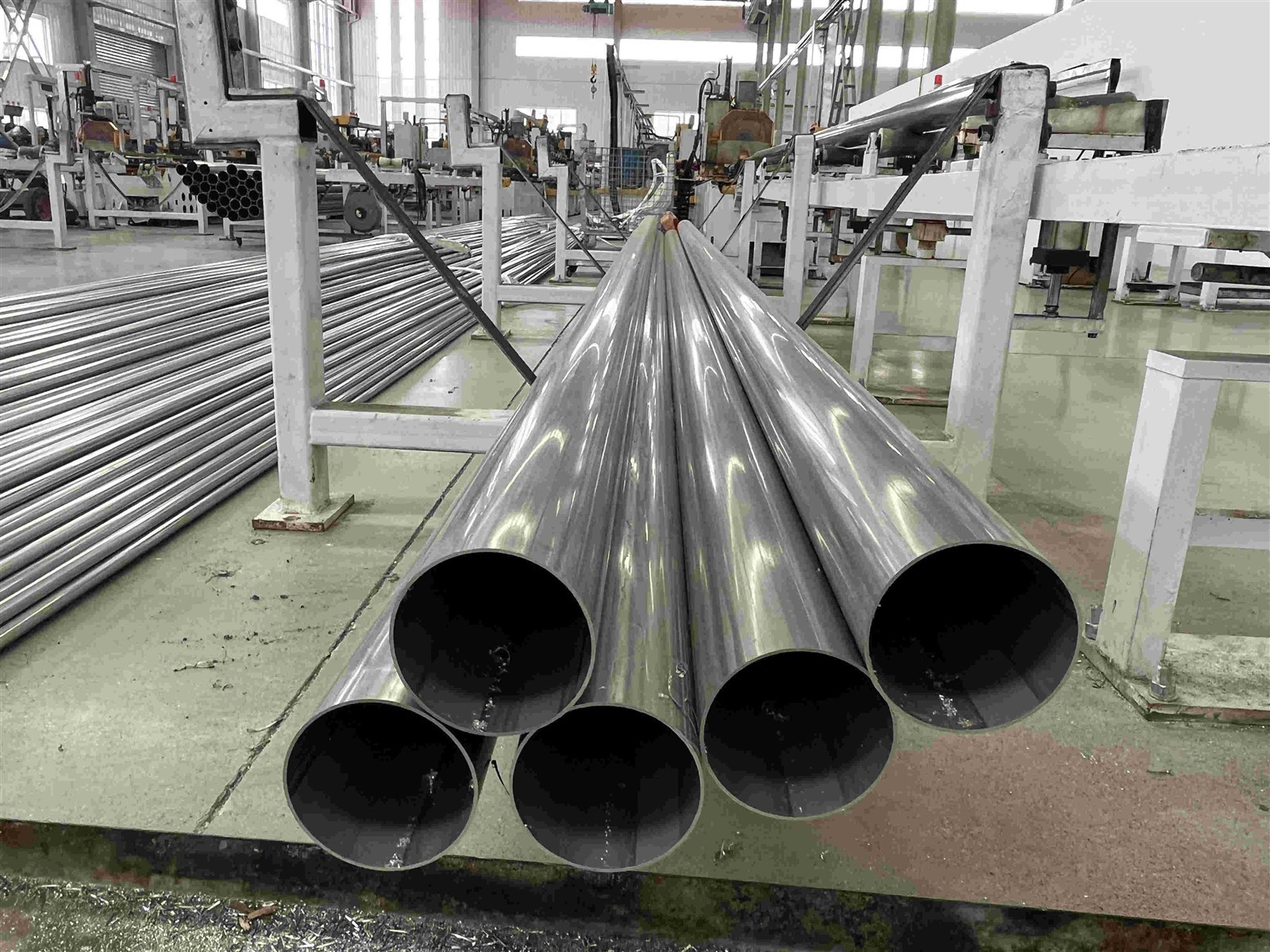
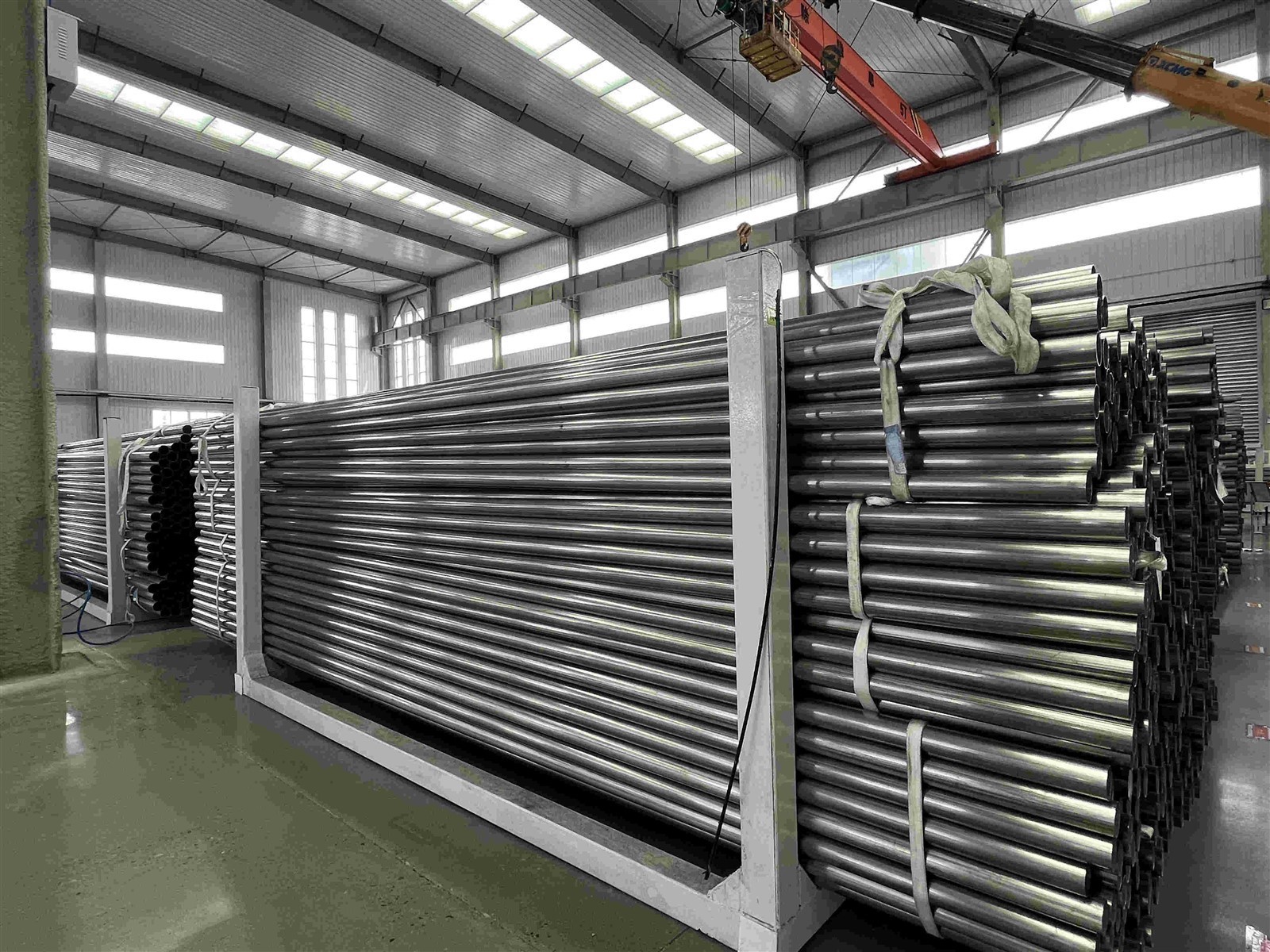
316 Stainless Steel - Better for Corrosive Water
316 Stainless Steel contains molybdenum, which gives it better resistance to:
Chlorides
Saltwater
Chemical corrosion
Pitting
Best for: Coastal areas, water with chloride >200 ppm, hot water >80°C, hospitals/pharmaceutical, marine environments
Pros: Mo greatly improves resistance to pitting/crevice corrosion from chlorine and salt; longer life in aggressive water
316L: Low‑carbon, preferred for welded systems and high‑temperature service
Why "L" grades are often preferred
304 Stainless Steel and 304L Stainless Steel are both widely used austenitic stainless steels with similar corrosion resistance and mechanical properties. The main difference is the carbon content.
316 Stainless Steel and 316L Stainless Steel are similar stainless steels containing molybdenum, which improves corrosion resistance, especially against chlorides and saltwater.
L = Low carbon
Low Carbon ("L"): Prevents "sensitization" (weld decay) during welding, eliminating the need for post-weld annealing. This makes field fabrication much easier and safer.
Because of the lower carbon level, 304Land 316L has:
Better weldability
Reduced risk of corrosion after welding
Longer service life in piping systems
In most piping projects, 304L and 316L is more commonly specified because it performs better in welded structures.L grade has slightly higher price than standard grade.
304 vs 304L
304 stainless steel has a maximum carbon content of 0.08%.
304L stainless steel has a lower maximum carbon content of 0.03%.
304 is commonly used for:
Kitchen equipment
Decorative applications
General industrial use
304L is preferred for:
Welded pipes and tubes
Pressure vessels
Water treatment systems
Applications requiring heavy welding
316 vs 316L
316 stainless steel has a maximum carbon content of 0.08%.
316L stainless steel has a maximum carbon content of 0.03%.
316 and 316L are widely used in:
Marine environments
Chemical processing
Pharmaceutical equipment
Potable water systems
Food processing industries
316L is generally preferred for stainless steel piping systems because welded pipe applications are very common.
316 is superior for harsh, corrosive environments; 304 is more cost-effective for daily general use.
Performance Comparison
Corrosion Resistance
316 > 304.
316 resists saltwater, chlorine, chemicals, acid and high humidity far better.
Heat Resistance
Both work for regular high temperatures; 316 has slightly better high-temperature stability.
Price & Cost
316 is 15–30% more expensive than 304. 304 is budget-friendly.
Workability
Both are easy to cut, weld and polish; 304 is slightly easier for general processing.
FAQ
Youfa steel pipe is professional in stainless steel pipe supplier of China. Welcome new and old customers inguiry us!
If you are selecting stainless steel pipes for your project, feel free to contact us with your required standard, size, and quantity for a quick quotation


