When it comes to gas pipelines, the selection of suitable materials is crucial for ensuring safety and reliability. Galvanized steel pipes have long been a popular choice due to their durability and corrosion resistance. As a trusted galvanized steel pipe supplier, I understand the importance of adhering to strict safety requirements when using these pipes in gas pipeline systems. In this blog post, I will delve into the key safety considerations to keep in mind when utilizing galvanized steel pipes for gas applications.
Material Quality and Specification
The foundation of a safe gas pipeline system is built on the quality of the materials used. Galvanized steel pipes are coated with a layer of zinc to protect against corrosion, but not all pipes are created equal. It is essential to source pipes from a reputable supplier that adheres to industry standards and specifications. Look for pipes that are manufactured in accordance with recognized codes such as ASTM (American Society for Testing and Materials) or API (American Petroleum Institute). These standards ensure that the pipes meet specific requirements for strength, thickness, and chemical composition.
For example, ASTM A53 is a common standard for galvanized steel pipes used in various applications, including gas pipelines. Pipes meeting this standard are available in different grades and types, such as Type F (furnace butt-welded), Type E (electric-resistance welded), and Type S (seamless). The choice of pipe type depends on the specific requirements of the gas pipeline system, such as pressure rating and operating conditions.
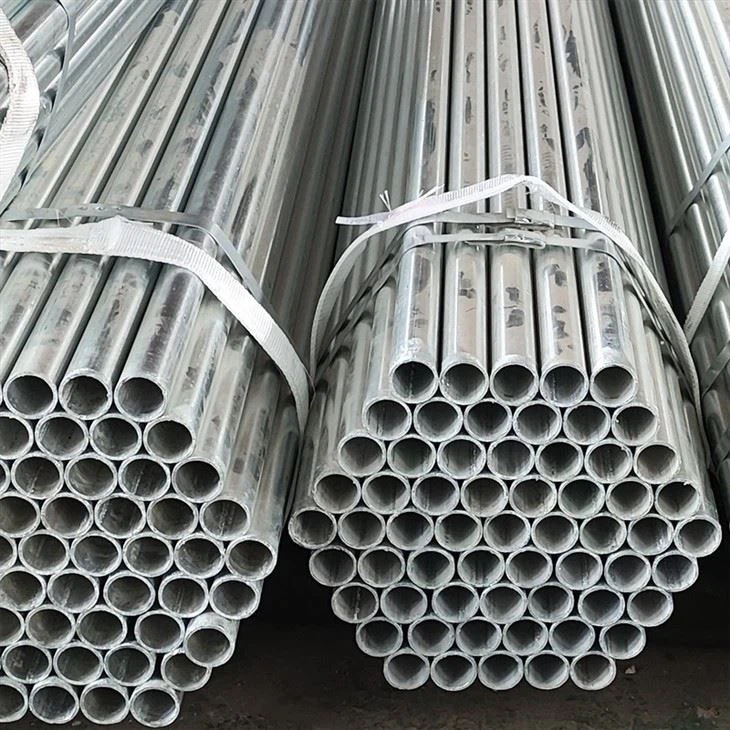
In addition to the base steel material, the quality of the galvanized coating is also critical. The coating should be uniform and free of defects such as cracks, blisters, or bare spots. A proper galvanized coating provides a barrier between the steel and the surrounding environment, preventing corrosion and extending the lifespan of the pipe. When selecting galvanized steel pipes, ask your supplier about the coating thickness and the coating method used, such as hot-dip galvanizing or electro-galvanizing. Hot-dip galvanizing is generally preferred for gas pipeline applications as it provides a thicker and more durable coating.
Installation and Jointing
Proper installation is essential to ensure the safety and integrity of a gas pipeline system. Galvanized steel pipes can be installed using various methods, including threaded connections, welded joints, or mechanical couplings. Each method has its own advantages and limitations, and the choice of installation method depends on factors such as the pipe size, pressure rating, and the specific requirements of the project.
Threaded connections are a common method for joining galvanized steel pipes in gas pipeline systems. Threaded Galvanized Steel Pipe are specifically designed with threads at both ends to allow for easy connection using threaded fittings. When using threaded connections, it is important to ensure that the threads are clean, undamaged, and properly lubricated. Use a high-quality thread sealant to prevent gas leakage at the joints. Tighten the fittings to the recommended torque specifications to ensure a secure and leak-free connection.
Welded joints are another option for joining galvanized steel pipes, especially for larger diameter pipes or high-pressure applications. Welding provides a strong and permanent connection, but it requires skilled welders and proper welding procedures to ensure the quality of the weld. Before welding, the galvanized coating must be removed from the area to be welded to prevent the formation of zinc fumes, which can be harmful to the welder's health. After welding, the welded area should be properly cleaned and re-coated to protect against corrosion.
Mechanical couplings are a quick and easy way to join galvanized steel pipes without the need for welding or threading. These couplings use rubber gaskets or seals to create a leak-proof connection between the pipes. Mechanical couplings are suitable for a wide range of pipe sizes and can be used in both above-ground and underground applications. When using mechanical couplings, it is important to follow the manufacturer's instructions for installation and maintenance to ensure a reliable connection.
Pressure Rating and Design
Gas pipelines operate under varying pressures, and it is essential to select galvanized steel pipes with an appropriate pressure rating. The pressure rating of a pipe is determined by factors such as the pipe diameter, wall thickness, and the material properties of the steel. It is important to consult with a qualified engineer or designer to determine the required pressure rating for your gas pipeline system based on the operating conditions and the specific requirements of the project.
In addition to the pressure rating, the design of the gas pipeline system also plays a crucial role in ensuring safety. The pipeline should be designed to withstand the expected loads, including internal pressure, external forces, and temperature variations. Proper support and anchoring of the pipes are necessary to prevent movement and stress on the joints. The pipeline should also be designed with appropriate valves, regulators, and safety devices to control the flow of gas and prevent overpressure situations.
Corrosion Protection and Maintenance
Although galvanized steel pipes are coated with a layer of zinc to protect against corrosion, they are still susceptible to corrosion over time, especially in harsh environments. To ensure the long-term integrity of the gas pipeline system, it is important to implement a comprehensive corrosion protection and maintenance program.
One of the key factors in corrosion protection is the proper selection of the galvanized coating. As mentioned earlier, hot-dip galvanizing provides a thicker and more durable coating compared to electro-galvanizing. In addition, the coating thickness should be sufficient to withstand the expected corrosion rate in the specific environment where the pipeline is installed. Regular inspections of the pipeline should be conducted to detect any signs of corrosion or damage. If corrosion is detected, the affected area should be repaired or replaced as soon as possible to prevent further deterioration.
Another important aspect of corrosion protection is the use of cathodic protection systems. Cathodic protection is a technique used to prevent corrosion by applying an electrical current to the pipeline. This current counteracts the natural corrosion process and protects the steel from rusting. There are two main types of cathodic protection systems: sacrificial anode systems and impressed current systems. The choice of system depends on factors such as the size and location of the pipeline, the soil conditions, and the expected corrosion rate.

In addition to corrosion protection, regular maintenance of the gas pipeline system is also essential. This includes checking the integrity of the pipes, joints, and valves, as well as monitoring the pressure and flow of gas. Any leaks or abnormalities should be addressed immediately to prevent safety hazards. It is also important to keep the pipeline clean and free of debris to prevent blockages and ensure proper flow of gas.
Safety Regulations and Standards
When using galvanized steel pipes in gas pipelines, it is important to comply with all relevant safety regulations and standards. These regulations are designed to protect the public and the environment from the hazards associated with gas pipelines. In the United States, the Pipeline and Hazardous Materials Safety Administration (PHMSA) is responsible for regulating the safety of gas pipelines. PHMSA has established a comprehensive set of regulations and standards that cover all aspects of gas pipeline design, construction, operation, and maintenance.
In addition to federal regulations, there may also be state and local regulations that apply to gas pipeline installations. It is important to consult with the appropriate regulatory authorities to ensure that your gas pipeline system complies with all applicable regulations and standards. Failure to comply with these regulations can result in fines, penalties, and even legal liability in the event of an accident or incident.
Conclusion
Using galvanized steel pipes in gas pipelines can provide a safe and reliable solution when the proper safety requirements are met. As a Galvanized Steel Tube supplier, I am committed to providing high-quality pipes that meet or exceed industry standards. By following the guidelines outlined in this blog post, you can ensure the safety and integrity of your gas pipeline system.
If you are in the market for galvanized steel pipes for your gas pipeline project, I encourage you to contact me to discuss your specific requirements. I have a wide range of Gi Hollow Pipe and other galvanized steel products available, and I can provide you with expert advice and support to help you choose the right pipes for your application. Let's work together to ensure the safety and reliability of your gas pipeline system.
References
- ASTM International. (n.d.). ASTM A53 Standard Specification for Pipe, Steel, Black and Hot-Dipped, Zinc-Coated, Welded and Seamless. Retrieved from ASTM website.
- API. (n.d.). American Petroleum Institute Standards. Retrieved from API website.
- Pipeline and Hazardous Materials Safety Administration. (n.d.). Pipeline Safety Regulations. Retrieved from PHMSA website.