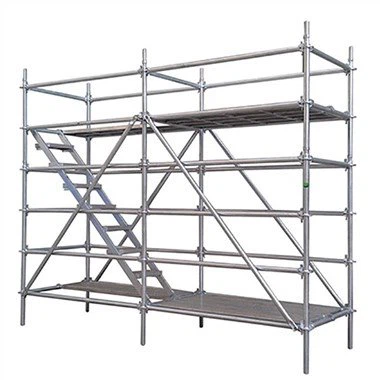
Hey there! As a supplier of steel planks, I often get asked about the installation costs of these bad boys. So, I thought I'd sit down and write a blog post to break it all down for you.
First off, let's talk about what steel planks are. Steel planks are a popular choice for scaffolding and other construction projects. They're strong, durable, and can handle a lot of weight. There are different types of steel planks available, like the Steel Plank with Hook, Plank Steel, and Galvanised Steel Scaffold Planks. Each type has its own features and benefits, but they all serve the same basic purpose: providing a stable surface for workers and materials.
Now, onto the big question: what are the installation costs of steel planks? Well, it's not a one - size - fits - all answer. There are several factors that can affect the installation costs.


1. Material Costs
The cost of the steel planks themselves is a major factor. The price can vary depending on the type, size, and quality of the planks. For example, galvanized steel planks are generally more expensive than regular steel planks because of the additional galvanization process, which protects the steel from rust and corrosion. The size of the planks also matters. Longer and wider planks will usually cost more than shorter and narrower ones.
When you're calculating the material costs, you need to figure out how many planks you'll need for your project. This depends on the area you're covering and the spacing between the planks. You don't want to over - order and waste money, but you also don't want to run out in the middle of the project.
2. Labor Costs
Labor is another significant part of the installation costs. Installing steel planks requires skilled workers who know what they're doing. The labor costs can vary based on the complexity of the installation. If the project is in a difficult - to - reach area, like a high - rise building or a confined space, the labor costs will be higher.
The number of workers needed also plays a role. For a small project, you might only need one or two workers, but for a large - scale construction site, you could need a whole team. And don't forget about the time it takes to install the planks. If the installation is rushed, it could lead to mistakes, so it's important to allocate enough time for the job.
3. Equipment Costs
You'll need certain equipment to install steel planks. This includes things like scaffolding systems, hoists, and safety gear. The cost of renting or buying this equipment can add up. If you already own some of the equipment, that's great, but if you need to rent it, you'll have to factor in the rental fees.
For example, if you're working on a tall building, you'll need a hoist to lift the planks to the upper levels. The rental cost of a hoist can be quite high, especially if you need it for an extended period. And safety gear, such as harnesses and helmets, is non - negotiable. You can't compromise on safety, so you'll have to budget for these items as well.
4. Site Preparation
Before you can install the steel planks, the site needs to be prepared. This might involve clearing the area, leveling the ground, or installing support structures. If the site is in a poor condition, it could require more extensive preparation work, which will increase the costs.
For instance, if the ground is uneven, you'll need to level it to ensure that the planks are stable. This could involve using heavy machinery, like bulldozers or graders, which adds to the overall cost.
5. Location
The location of the project can also affect the installation costs. In some areas, the cost of living is higher, which means that labor costs will be more expensive. Additionally, if the site is in a remote location, it could be more difficult and costly to transport the planks and equipment to the site.
If you're working in a big city, you might also have to deal with traffic and parking issues, which can slow down the installation process and increase the labor costs.
Let's take a look at some rough estimates to give you an idea of the installation costs. For a small - scale project, like a single - story residential building, the total installation costs (including materials, labor, equipment, and site preparation) could range from $500 to $2000. This is a very rough estimate, and the actual costs could be higher or lower depending on the factors we've discussed.
For a medium - sized commercial project, like a two - or three - story office building, the costs could be anywhere from $2000 to $10,000. And for a large - scale industrial project, such as a high - rise building or a factory, the installation costs could easily exceed $10,000.
So, how can you keep the installation costs down? Here are some tips:
- Shop around for materials: Don't just go with the first supplier you find. Compare prices from different suppliers to get the best deal on the steel planks.
- Plan ahead: Make sure you have a detailed plan for the project. This will help you avoid last - minute changes and mistakes, which can increase the costs.
- Use your own equipment if possible: If you already own some of the necessary equipment, use it instead of renting. This can save you a lot of money.
- Hire experienced workers: While it might seem more expensive upfront, hiring experienced workers can actually save you money in the long run. They'll be able to install the planks more efficiently and with fewer mistakes.
In conclusion, the installation costs of steel planks can vary widely depending on several factors. But by understanding these factors and taking steps to manage them, you can get a better idea of how much your project will cost.
If you're interested in purchasing steel planks for your project, I'd love to have a chat with you. We can discuss your specific needs, and I can provide you with a more accurate quote. Just reach out, and we can start the conversation about getting the right steel planks for your job.
References
- Construction Cost Estimating Handbook
- Steel Plank Manufacturer's Guides