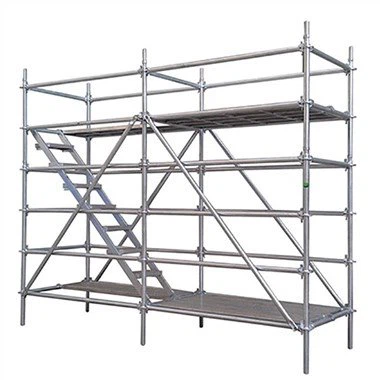
Upgrading an old scaffolding frame is a task that requires careful planning, knowledge of scaffolding systems, and a commitment to safety. As a scaffolding frame supplier, I've seen firsthand the importance of maintaining and upgrading scaffolding to ensure its continued functionality and safety. In this blog post, I'll share some valuable insights on how to upgrade an old scaffolding frame effectively.
Assessing the Current Condition of the Scaffolding Frame
Before you begin any upgrade process, it's crucial to conduct a thorough inspection of the old scaffolding frame. Look for signs of wear and tear, such as rust, corrosion, bent or damaged components, and loose connections. Check the structural integrity of the frame, including the vertical standards, horizontal ledgers, and diagonal braces. Make a detailed list of all the issues you find, as this will help you determine the scope of the upgrade.
Determining the Upgrade Requirements
Based on the inspection results, you need to determine the specific upgrade requirements for your scaffolding frame. Consider factors such as the intended use of the scaffolding, the load capacity it needs to support, and any local safety regulations or standards that apply. For example, if the scaffolding will be used for heavy-duty construction work, you may need to upgrade the frame to a higher load capacity. If the scaffolding is located in an area with high winds or seismic activity, you may need to add additional bracing or anchoring systems.
Selecting the Right Scaffolding Components
Once you've determined the upgrade requirements, it's time to select the right scaffolding components for the job. As a scaffolding frame supplier, I offer a wide range of high-quality scaffolding components, including Ladder Frame Scaffolding, Walkthrough Scaffolding, and Metal Frame Scaffolding. These components are designed to be compatible with most existing scaffolding systems and can be easily installed to upgrade your old scaffolding frame.
When selecting scaffolding components, make sure to choose products that are made from high-quality materials and meet or exceed industry standards. Look for components that are durable, corrosion-resistant, and easy to maintain. Consider the specific needs of your project and choose components that are suitable for the intended use of the scaffolding.
Preparing the Worksite
Before you start installing the new scaffolding components, it's important to prepare the worksite properly. Clear the area around the scaffolding of any debris, equipment, or obstacles. Make sure the ground is level and stable, and that there are no underground utilities or other hazards that could interfere with the installation process. If necessary, use a leveling device or shims to ensure that the scaffolding is installed on a flat surface.
Removing the Old Components
Once the worksite is prepared, you can start removing the old scaffolding components. Use the appropriate tools, such as wrenches, sockets, and pliers, to loosen and remove the bolts, nuts, and other fasteners that hold the components together. Be careful not to damage the remaining components of the scaffolding frame during the removal process.
Installing the New Components
After the old components have been removed, it's time to install the new scaffolding components. Follow the manufacturer's instructions carefully and use the appropriate tools to ensure that the components are installed correctly. Make sure the components are securely fastened together and that all connections are tight. Check the alignment and level of the scaffolding frame as you install the new components to ensure that it is straight and stable.
Testing the Scaffolding Frame
Once the new scaffolding components have been installed, it's important to test the scaffolding frame to ensure that it is safe and functional. Conduct a thorough visual inspection of the scaffolding frame to check for any signs of damage or loose connections. Test the load capacity of the scaffolding frame by applying a load that is equivalent to the maximum intended load. Use a load testing device or a calibrated weight to apply the load evenly across the scaffolding frame.


If the scaffolding frame passes the load test, it is ready to be used. However, if any issues are found during the testing process, you need to address them immediately before using the scaffolding frame. This may involve tightening loose connections, replacing damaged components, or making other adjustments to the scaffolding frame.
Maintenance and Safety
After the scaffolding frame has been upgraded, it's important to maintain it properly to ensure its continued safety and functionality. Regularly inspect the scaffolding frame for signs of wear and tear, and make any necessary repairs or replacements as soon as possible. Keep the scaffolding frame clean and free of debris, and lubricate the moving parts regularly to prevent corrosion and damage.
In addition to regular maintenance, it's also important to follow all safety procedures when using the scaffolding frame. Make sure all workers are trained in the proper use of the scaffolding and that they wear appropriate safety equipment, such as hard hats, safety glasses, and harnesses. Follow all local safety regulations and standards, and make sure the scaffolding frame is inspected and approved by a qualified professional before each use.
Conclusion
Upgrading an old scaffolding frame is a complex task that requires careful planning, knowledge of scaffolding systems, and a commitment to safety. By following the steps outlined in this blog post, you can upgrade your old scaffolding frame effectively and ensure its continued functionality and safety. As a scaffolding frame supplier, I'm here to help you with all your scaffolding needs. If you have any questions or need assistance with upgrading your old scaffolding frame, please don't hesitate to contact me. I look forward to working with you to provide you with the best scaffolding solutions for your project.
References
- Scaffolding Safety Manual, Occupational Safety and Health Administration (OSHA)
- Scaffolding Design and Installation Guide, American National Standards Institute (ANSI)
- Scaffolding Product Catalog, [Scaffolding Frame Supplier Name]