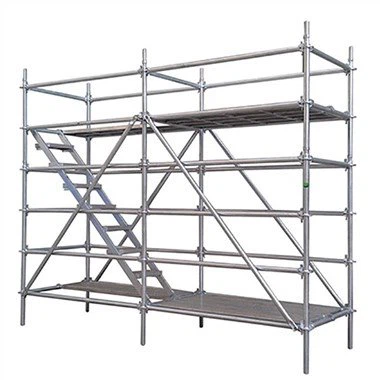
Transporting large quantities of steel props is a task that requires meticulous planning and execution. As a seasoned steel props supplier, I have encountered numerous challenges and successes in this area. In this blog, I will share some insights and strategies on how to transport large quantities of steel props efficiently and safely.
Understanding the Nature of Steel Props
Before delving into the transportation process, it's essential to understand the nature of steel props. Steel props are typically long, heavy, and rigid structures used in construction for support. They come in various shapes and sizes, including Telescopic Scaffold Pole, Heavy Duty Scaffold Props, and Acro Building Support. Their weight and shape can make them difficult to handle, especially when transporting large quantities.
Planning the Transportation
- Determine the Quantity: The first step in planning the transportation of steel props is to determine the exact quantity you need to move. This information will help you decide on the appropriate mode of transportation, such as trucks, trains, or ships. It will also help you estimate the overall weight and volume of the shipment, which is crucial for selecting the right vehicle and ensuring compliance with weight limits.
- Choose the Right Transport Mode: The choice of transport mode depends on several factors, including the distance, the quantity of steel props, and the urgency of delivery.
- Trucks: Trucks are a popular choice for transporting steel props, especially for short to medium distances. They offer flexibility in terms of pick-up and delivery locations and can be easily loaded and unloaded. However, they have limited carrying capacity compared to trains and ships.
- Trains: Trains are a cost-effective option for transporting large quantities of steel props over long distances. They can carry a significant amount of weight and are more environmentally friendly than trucks. However, they require access to rail terminals and may have longer transit times.
- Ships: Ships are ideal for transporting steel props overseas or across large bodies of water. They have the largest carrying capacity and can handle extremely heavy loads. However, shipping can be time-consuming and requires additional handling at ports.
- Select the Right Vehicle: Once you have chosen the transport mode, you need to select the right vehicle. Consider the weight, length, and width of the steel props, as well as the vehicle's payload capacity and dimensions. Make sure the vehicle is in good condition and has the necessary safety features, such as tie-downs and padding.
- Schedule the Transport: Coordinate with the transportation provider to schedule the pick-up and delivery times. This will help you ensure that the steel props arrive at the destination on time and minimize the risk of delays. Consider factors such as traffic, weather conditions, and customs clearance (if applicable) when scheduling the transport.
Preparing the Steel Props for Transport
- Inspect the Steel Props: Before loading the steel props onto the vehicle, conduct a thorough inspection to ensure they are in good condition. Check for any signs of damage, such as cracks, bends, or rust. If any damage is found, repair or replace the affected props to prevent further issues during transport.
- Clean and Lubricate: Clean the steel props to remove any dirt, debris, or rust. Lubricate the moving parts, such as the telescopic sections, to prevent them from sticking or seizing during transport.
- Bundle and Secure: Bundle the steel props together using straps, ropes, or bands to keep them organized and prevent them from shifting during transport. Secure the bundles to the vehicle using tie-downs or other appropriate fastening methods. Make sure the props are evenly distributed and balanced to avoid overloading one side of the vehicle.
- Protect the Props: To prevent damage during transport, protect the steel props with padding, such as foam or rubber. Cover the props with tarps or other protective materials to shield them from the elements.
Loading and Unloading the Steel Props
- Use the Right Equipment: When loading and unloading the steel props, use the right equipment, such as forklifts, cranes, or pallet jacks. Make sure the equipment is in good condition and operated by trained personnel.
- Follow Safety Procedures: Follow all safety procedures when loading and unloading the steel props. Wear appropriate personal protective equipment (PPE), such as hard hats, safety glasses, and gloves. Use caution when handling the props to avoid injuries.
- Load the Props Properly: Load the steel props onto the vehicle in a way that maximizes the use of space and ensures stability. Stack the props in an orderly manner and secure them to prevent them from falling or shifting.
- Unload the Props Carefully: When unloading the steel props, follow the same safety procedures as during loading. Use the right equipment to remove the props from the vehicle and place them in the designated area. Inspect the props again after unloading to ensure they are still in good condition.
Monitoring the Transport
- Track the Shipment: Use a tracking system to monitor the progress of the shipment. This will allow you to keep track of the location of the steel props and estimate the time of arrival at the destination.
- Communicate with the Transport Provider: Stay in regular communication with the transport provider to address any issues or concerns that may arise during transport. Provide them with any necessary information, such as delivery instructions or special requirements.
- Prepare for Contingencies: Despite careful planning, unexpected events can occur during transport. Be prepared for contingencies, such as delays, weather conditions, or mechanical problems. Have a backup plan in place to minimize the impact of these events on the delivery of the steel props.
Ensuring Compliance
- Comply with Regulations: Make sure you comply with all relevant regulations and laws when transporting steel props. This includes weight limits, safety requirements, and customs regulations (if applicable). Failure to comply with these regulations can result in fines, delays, or other legal issues.
- Obtain the Necessary Permits: Depending on the transport mode and the destination, you may need to obtain certain permits or licenses. Check with the relevant authorities to determine the requirements and obtain the necessary documentation before transporting the steel props.
Conclusion
Transporting large quantities of steel props requires careful planning, preparation, and execution. By understanding the nature of steel props, choosing the right transport mode and vehicle, preparing the props for transport, loading and unloading them properly, monitoring the shipment, and ensuring compliance with regulations, you can transport steel props efficiently and safely.


If you are in need of high-quality steel props or have any questions about transporting them, I would be more than happy to assist you. Feel free to reach out to me for more information and to discuss your specific needs. Let's work together to ensure your construction projects are supported with the best steel props and reliable transportation solutions.
References
- Construction Equipment Handbook: A comprehensive guide to the types and uses of construction equipment, including steel props.
- Transportation Regulations Manual: Provides detailed information on the regulations and requirements for transporting heavy and oversized loads, including steel props.
- Safety Standards for Steel Props: Outlines the safety standards and best practices for the use and transportation of steel props.