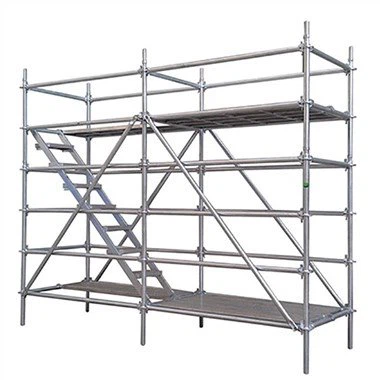
As a seasoned steel plank supplier, I understand the critical importance of proper storage for maintaining the quality and longevity of steel planks. Steel planks are widely used in construction, scaffolding, and various industrial applications, and their performance can be significantly affected by how they are stored. In this blog post, I will share some valuable insights and practical tips on how to store steel planks properly.
Understanding the Risks of Improper Storage
Before delving into the best practices for storing steel planks, it's essential to understand the potential risks associated with improper storage. Steel is susceptible to corrosion, which can weaken the planks and compromise their structural integrity. Exposure to moisture, humidity, and harsh environmental conditions can accelerate the corrosion process, leading to rust, pitting, and other forms of damage.
In addition to corrosion, improper storage can also cause physical damage to the steel planks. Stacking the planks incorrectly or placing them on uneven surfaces can result in bending, warping, or denting. This can not only affect the appearance of the planks but also reduce their load-bearing capacity and safety.
Choosing the Right Storage Location
The first step in proper steel plank storage is selecting the right location. The storage area should be dry, well-ventilated, and protected from the elements. Ideally, the planks should be stored indoors in a climate-controlled environment to minimize the risk of corrosion. If indoor storage is not possible, an outdoor storage area with a waterproof covering, such as a tarp or shed, can be used.
When choosing a storage location, it's also important to consider the accessibility of the planks. They should be stored in a way that allows for easy loading and unloading, as well as regular inspections. This will help ensure that any issues can be identified and addressed promptly.
Preparing the Storage Area
Once you have selected the storage location, it's time to prepare the area for the steel planks. Start by cleaning the surface where the planks will be stored to remove any dirt, debris, or moisture. If the surface is uneven, it should be leveled to prevent the planks from bending or warping.
Next, consider using a protective barrier between the planks and the storage surface. This can help prevent scratches and other forms of damage. You can use materials such as wooden pallets, rubber mats, or plastic sheeting to create a buffer between the planks and the ground.
Stacking the Steel Planks
Proper stacking is crucial for ensuring the stability and safety of the steel planks during storage. When stacking the planks, it's important to follow these guidelines:
- Use a stable base: Place the planks on a flat, level surface to prevent them from tipping over. If possible, use a pallet or other support structure to provide additional stability.
- Stack the planks evenly: Make sure the planks are stacked in a uniform manner, with each layer aligned properly. This will help distribute the weight evenly and prevent the planks from shifting or collapsing.
- Limit the height of the stack: To avoid excessive pressure on the bottom planks, limit the height of the stack to a reasonable level. The maximum height will depend on the size and thickness of the planks, as well as the storage conditions.
- Separate the layers: Use spacers or dividers between each layer of planks to prevent them from rubbing against each other and causing damage. You can use materials such as wooden blocks, cardboard, or plastic sheets as spacers.
Protecting the Steel Planks from Corrosion
As mentioned earlier, corrosion is one of the biggest threats to the quality of steel planks. To protect the planks from corrosion, it's important to take the following steps:
- Apply a protective coating: Before storing the planks, consider applying a protective coating, such as paint, galvanization, or powder coating. This will help create a barrier between the steel and the environment, preventing moisture and oxygen from coming into contact with the surface.
- Keep the planks dry: Moisture is the main cause of corrosion, so it's essential to keep the planks dry at all times. If the planks get wet, dry them thoroughly before storing them. You can use a towel, air compressor, or other drying method to remove the moisture.
- Monitor the humidity levels: High humidity can accelerate the corrosion process, so it's important to monitor the humidity levels in the storage area. If the humidity is too high, you can use a dehumidifier to reduce the moisture content in the air.
- Inspect the planks regularly: Regular inspections are essential for detecting any signs of corrosion or other damage early on. Check the planks for rust, pitting, or other forms of corrosion, and address any issues promptly.
Handling the Steel Planks with Care
In addition to proper storage, it's also important to handle the steel planks with care to prevent damage. When moving the planks, use appropriate lifting equipment, such as forklifts or cranes, and make sure the planks are secured properly to prevent them from falling or shifting.
Avoid dragging the planks across the ground or other surfaces, as this can cause scratches and other forms of damage. Instead, use a dolly or other wheeled device to move the planks.
Conclusion
Proper storage is essential for maintaining the quality and longevity of steel planks. By following the tips and guidelines outlined in this blog post, you can ensure that your steel planks are stored safely and securely, minimizing the risk of corrosion and other forms of damage.
If you are in the market for high-quality steel planks, I invite you to explore our extensive range of products. We offer a variety of Plank Metal, Plank Steel, and Steel Plank with Hook options to meet your specific needs. Our steel planks are manufactured to the highest standards and are designed to provide reliable performance in a variety of applications.


If you have any questions or would like to discuss your steel plank requirements, please don't hesitate to contact us. We are here to help you find the right solution for your project.
References
- American Society for Testing and Materials (ASTM). (2023). Standard Specification for Steel Sheet Piling. ASTM A328/A328M-23.
- National Fire Protection Association (NFPA). (2023). Fire Protection Standard for Storage of Flammable and Combustible Liquids. NFPA 30-23.
- Occupational Safety and Health Administration (OSHA). (2023). General Industry Standards. 29 CFR Part 1910.