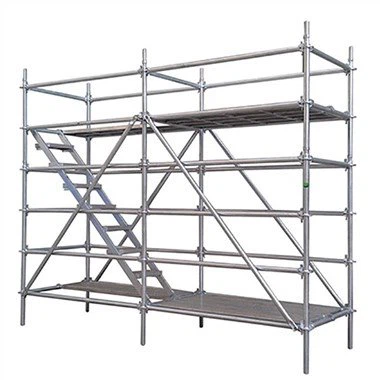
Hey there! I'm a supplier of Push - pull Metal Props, and I know firsthand how tricky it can be to store these props in a humid environment. Humidity can cause all sorts of problems, like rust and corrosion, which can seriously damage the props and reduce their lifespan. But don't worry, I've got some tips and tricks that can help you keep your Push - pull Metal Props in top condition, even when the air is damp.
Why Humidity is a Problem
First off, let's talk about why humidity is such a big deal for metal props. When metal is exposed to moisture in the air, a chemical reaction called oxidation occurs. This is what we commonly refer to as rust. Rust not only looks bad, but it can also weaken the metal, making the props less stable and safe to use.
In a humid environment, the moisture in the air can condense on the surface of the props, especially if there are temperature fluctuations. This creates a perfect breeding ground for rust. And once rust starts, it can spread quickly, eating away at the metal and compromising the integrity of the props.
Pre - Storage Preparation
Before you store your Push - pull Metal Props in a humid environment, there are a few things you should do to prepare them.
Clean the Props
The first step is to clean the props thoroughly. Remove any dirt, debris, or old paint that might be on the surface. You can use a wire brush or a pressure washer to get rid of stubborn grime. Make sure to dry the props completely after cleaning. Any remaining moisture can lead to rust formation.
Apply a Protective Coating
Once the props are clean and dry, apply a protective coating. There are several options available, such as rust - inhibiting paints, anti - corrosion sprays, or lubricants. These coatings create a barrier between the metal and the moisture in the air, preventing oxidation. For example, a good quality rust - inhibiting paint can provide long - term protection. Just make sure to follow the manufacturer's instructions when applying the coating.
Inspect for Damage
Before storing, carefully inspect the props for any signs of damage, such as cracks, bends, or loose parts. If you find any issues, repair or replace the damaged components. Damaged props are more likely to rust and may not be safe to use in the future.
Choosing the Right Storage Location
The location where you store your Push - pull Metal Props can make a huge difference in how well they hold up in a humid environment.
Indoor Storage
Whenever possible, store the props indoors. An enclosed storage facility can protect the props from direct exposure to rain, snow, and high humidity. However, not all indoor spaces are created equal. Avoid storing the props in basements or areas that are prone to flooding or have poor ventilation. These areas can have high humidity levels, which can still cause problems.
Elevated Storage
If you have to store the props outdoors, make sure they are stored on an elevated surface. This helps to prevent water from pooling around the props and reduces the risk of rust. You can use pallets or racks to keep the props off the ground.
Ventilated Storage
Good ventilation is crucial in a humid environment. It helps to circulate the air and reduce the moisture content around the props. If you're storing the props indoors, make sure the storage area has proper ventilation, such as windows or vents. You can also use fans to improve air circulation.
Storage Organization
How you organize your Push - pull Metal Props in storage can also impact their condition.
Keep Them Separated
Don't stack the props too tightly together. This can trap moisture between the props and increase the risk of rust. Instead, keep them separated with spacers or use racks to store them individually. This allows air to circulate around each prop and helps to keep them dry.
Group Similar Props
Grouping similar props together can make it easier to manage and inspect them. You can also label the storage areas to keep track of different types of props. For example, you can group Heavy Duty Acrow Prop, Steel Acrow Props, and Telescopic Props Scaffolding separately.
Regular Inspections
Even if you've taken all the necessary precautions, it's important to regularly inspect your stored Push - pull Metal Props.
Check for Rust
Look for any signs of rust or corrosion on the props. If you notice any rust spots, treat them immediately. You can use a rust remover to clean the affected area and then re - apply the protective coating.
Inspect for Damage
Also, check for any new damage that might have occurred during storage. This could include dents, scratches, or loose parts. Repair or replace any damaged props as soon as possible.
Using Dehumidifiers
In a very humid environment, using a dehumidifier can be a great way to reduce the moisture content in the air.
Placement
Place the dehumidifier in the storage area. Make sure it's sized appropriately for the space. A small dehumidifier may not be effective in a large storage facility, while an oversized one can be wasteful.
Maintenance
Regularly empty the water collection tank of the dehumidifier and clean the filter. This ensures that the dehumidifier works efficiently and continues to remove moisture from the air.
Conclusion
Storing Push - pull Metal Props in a humid environment can be challenging, but with the right preparation and storage methods, you can keep your props in good condition. By cleaning and coating the props, choosing the right storage location, organizing them properly, conducting regular inspections, and using dehumidifiers if necessary, you can prevent rust and extend the lifespan of your props.
If you're in the market for high - quality Push - pull Metal Props or need more advice on storage and maintenance, feel free to reach out. We're here to help you make the best decisions for your scaffolding needs.


References
- "Guide to Metal Storage in Humid Conditions" - Metal Industry Association
- "Preventing Rust on Scaffolding Props" - Construction Safety Journal