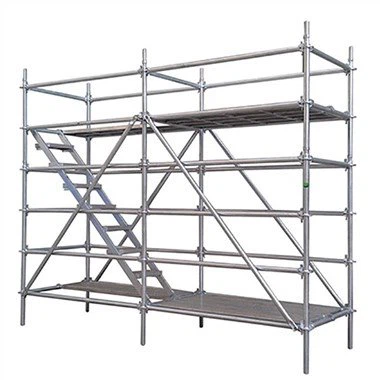
Hey there! As a scaffolding frame supplier, I've seen my fair share of corrosion issues with scaffolding. It's a real pain, not just for the look of the equipment but also for its safety and durability. In this blog, I'm gonna share some tips on how to prevent corrosion of a scaffolding frame.
Understanding the Enemy: What Causes Corrosion?
Before we jump into the prevention methods, it's important to know what causes corrosion in the first place. Corrosion is basically a chemical reaction between the metal in the scaffolding and its environment. The most common culprits are moisture, oxygen, and certain chemicals.
Moisture is a big problem. When water comes into contact with the metal, it creates an electrolyte that allows electrons to flow. This process starts the corrosion cycle. Oxygen in the air then reacts with the metal to form metal oxides, which we usually see as rust.
Chemicals, like those found in industrial environments or near coastal areas, can also speed up the corrosion process. Saltwater, for example, is extremely corrosive because it contains a high concentration of chloride ions that can break down the protective layer on the metal surface.
Choosing the Right Material
The first step in preventing corrosion is to choose the right material for your scaffolding frame. Not all metals are created equal when it comes to corrosion resistance.
- Galvanized Steel: This is one of the most popular choices for scaffolding frames. Galvanization is a process where a layer of zinc is applied to the steel. Zinc acts as a sacrificial anode, which means it corrodes before the steel does. This provides a long - term protective layer that can significantly reduce the risk of corrosion.
- Aluminum: Aluminum is another great option. It forms a thin, natural oxide layer on its surface when exposed to air. This oxide layer acts as a barrier, preventing further corrosion. Aluminum is also lightweight, which makes it easier to transport and install. However, it can be more expensive than steel.
When you're in the market for scaffolding, you can check out our Walkthrough Scaffolding and Main Frame Scaffolding options, which are available in both galvanized steel and aluminum.
Proper Surface Treatment
Even if you choose a corrosion - resistant material, proper surface treatment is essential to enhance its protection.
- Painting: Applying a high - quality paint to the scaffolding frame can create an additional barrier between the metal and the environment. Make sure to clean and prepare the surface thoroughly before painting. Remove any rust, dirt, or debris. You can use a primer first to improve the adhesion of the paint.
- Powder Coating: This is a popular alternative to traditional painting. Powder coating involves applying a dry powder to the metal surface and then baking it in an oven. The powder melts and forms a hard, durable coating that provides excellent protection against corrosion, as well as being resistant to scratches and chips.
Regular Inspections
Regular inspections are crucial for preventing corrosion. You should inspect your scaffolding frame at least once a month, or more frequently if it's used in a harsh environment.
- Visual Checks: Look for signs of rust, pitting, or discoloration on the surface of the scaffolding. Pay special attention to joints, welds, and areas where the protective coating may be damaged.
- Surface Coating Inspection: Check the integrity of the paint or powder coating. If you notice any cracks, chips, or peeling, it's important to repair the coating as soon as possible to prevent further corrosion.
Maintenance and Cleaning
Keeping your scaffolding clean is an important part of corrosion prevention.


- Cleaning Frequency: Clean the scaffolding after each use, especially if it has been exposed to dirt, chemicals, or saltwater. Use a mild detergent and water to remove any contaminants from the surface.
- Drying: After cleaning, make sure the scaffolding is completely dry before storing it. Moisture left on the surface can lead to corrosion. You can use a dry cloth or let it air dry in a well - ventilated area.
Proper Storage
How you store your scaffolding can also have a big impact on its corrosion resistance.
- Indoor Storage: If possible, store the scaffolding indoors in a dry, climate - controlled environment. This will protect it from moisture, rain, and extreme temperatures.
- Outdoor Storage: If indoor storage is not an option, make sure to cover the scaffolding with a waterproof tarp. Elevate the scaffolding off the ground to prevent it from coming into contact with damp soil.
Environmental Considerations
The environment where the scaffolding is used plays a significant role in corrosion.
- Industrial Environments: In industrial settings, scaffolding may be exposed to chemicals, fumes, and pollutants. Make sure to follow all safety protocols and take extra precautions to protect the scaffolding. You may need to use additional coatings or coverings.
- Coastal Areas: Near the coast, the high salt content in the air can accelerate corrosion. If you're using scaffolding in a coastal area, consider using a material with high corrosion resistance, like aluminum, and clean the scaffolding more frequently.
Conclusion
Preventing corrosion of a scaffolding frame is essential for its safety, durability, and longevity. By choosing the right material, applying proper surface treatment, conducting regular inspections, maintaining and cleaning the scaffolding, storing it properly, and considering the environmental factors, you can significantly reduce the risk of corrosion.
If you're looking for high - quality scaffolding frames, we've got you covered. Check out our Metal Frame Scaffolding and other products. We're always happy to answer any questions you may have and discuss your procurement needs. Don't hesitate to get in touch, and let's work together to find the best scaffolding solutions for your projects!
References
- Davis, R. J., & Jones, R. H. (2009). Corrosion of Metals. Wiley - Blackwell.
- Fontana, M. G. (2006). Corrosion Engineering. McGraw - Hill Education.