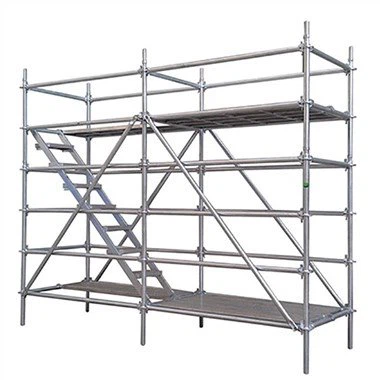
Installing steel planks on wooden structures can be a practical and effective way to enhance the durability, safety, and functionality of your construction projects. As a trusted steel plank supplier, we understand the importance of providing high-quality products and comprehensive guidance to our customers. In this blog post, we will walk you through the step-by-step process of installing steel planks on wooden structures, offering valuable insights and tips along the way.
Understanding the Benefits of Steel Planks
Before diving into the installation process, it's essential to understand why steel planks are a popular choice for many construction projects. Steel planks offer several advantages over traditional wooden planks, including:
- Durability: Steel planks are highly resistant to wear, tear, and damage from environmental factors such as moisture, rot, and insects. This makes them a long-lasting option for scaffolding, walkways, and other applications.
- Safety: Steel planks are designed to provide a stable and secure surface for workers to walk on, reducing the risk of slips, trips, and falls. They are also less likely to break or splinter compared to wooden planks, further enhancing safety on the job site.
- Load Capacity: Steel planks have a higher load capacity than wooden planks, making them suitable for heavy-duty applications. They can support more weight without bending or deforming, ensuring the stability and integrity of the structure.
- Easy Installation: Steel planks are relatively easy to install compared to other types of planks. They can be quickly and securely attached to wooden structures using a variety of fastening methods, saving time and labor costs.
Preparing the Wooden Structure
Before installing the steel planks, it's important to prepare the wooden structure to ensure a proper fit and secure installation. Here are the steps to follow:
- Inspect the Wooden Structure: Check the wooden structure for any signs of damage, decay, or instability. Replace any damaged or weakened boards to ensure the structural integrity of the platform.
- Clean the Surface: Remove any dirt, debris, or loose paint from the surface of the wooden structure. This will help the steel planks adhere better and prevent any interference during installation.
- Measure and Mark the Placement: Use a tape measure and a chalk line to measure and mark the placement of the steel planks on the wooden structure. Make sure to leave enough space between the planks for expansion and contraction.
- Drill Pilot Holes: If you plan to use screws or bolts to attach the steel planks to the wooden structure, drill pilot holes in the planks and the wood to prevent the wood from splitting.
Choosing the Right Steel Planks
When selecting steel planks for your project, it's important to choose the right type and size based on your specific needs and requirements. Here are some factors to consider:


- Type of Steel Plank: There are several types of steel planks available, including Galvanised Steel Scaffold Planks, Catwalk Board Scaffolding Steel Plank, and Steel Deck Planks. Each type has its own unique features and benefits, so choose the one that best suits your application.
- Size and Thickness: The size and thickness of the steel planks will depend on the span length, load capacity, and intended use of the platform. Make sure to choose planks that are wide enough to provide a stable surface for workers to walk on and thick enough to support the expected load.
- Finish and Coating: Steel planks can be finished with a variety of coatings to protect them from corrosion and improve their appearance. Choose a finish that is appropriate for the environment in which the planks will be used.
Installing the Steel Planks
Once you have prepared the wooden structure and chosen the right steel planks, it's time to install them. Here are the steps to follow:
- Position the Steel Planks: Place the steel planks on the wooden structure according to the markings you made earlier. Make sure the planks are aligned properly and evenly spaced.
- Attach the Steel Planks: Use the appropriate fastening method to attach the steel planks to the wooden structure. Common fastening methods include screws, bolts, and welding. Make sure to follow the manufacturer's instructions and use the correct type and size of fasteners.
- Secure the Ends of the Planks: To prevent the steel planks from shifting or sliding, secure the ends of the planks to the wooden structure using brackets or straps.
- Check for Level and Stability: After installing the steel planks, check for level and stability. Use a level to ensure the planks are flat and adjust them as needed. Make sure the planks are securely attached and do not move or wobble.
Maintenance and Safety Considerations
Proper maintenance and safety measures are essential to ensure the long-term performance and safety of your steel planks. Here are some tips to keep in mind:
- Regular Inspections: Inspect the steel planks regularly for any signs of damage, corrosion, or wear. Replace any damaged or worn planks immediately to prevent accidents.
- Cleaning and Maintenance: Keep the steel planks clean and free of dirt, debris, and other contaminants. Use a mild detergent and water to clean the planks, and avoid using abrasive cleaners or tools that may damage the surface.
- Safety Precautions: Follow all safety guidelines and regulations when working with steel planks. Wear appropriate personal protective equipment (PPE), such as hard hats, safety glasses, and gloves. Make sure the platform is properly supported and secured before allowing workers to access it.
Conclusion
Installing steel planks on wooden structures is a straightforward process that can significantly enhance the durability, safety, and functionality of your construction projects. By following the steps outlined in this blog post and choosing the right steel planks for your needs, you can ensure a successful installation and long-term performance. If you have any questions or need further assistance, please don't hesitate to [contact us]. Our team of experts is here to help you with all your steel plank needs.
References
- American Institute of Steel Construction (AISC). (2017). Steel Construction Manual, 15th Edition.
- Occupational Safety and Health Administration (OSHA). (2019). Scaffolding Standards.
- National Fire Protection Association (NFPA). (2018). Fire Protection Handbook, 20th Edition.