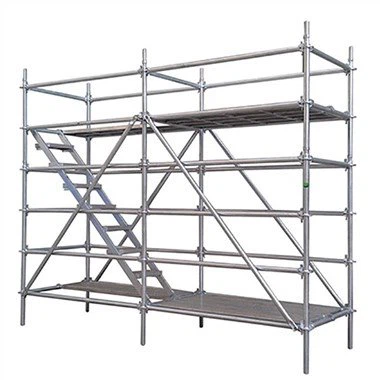
In the construction industry, scaffolding is an indispensable temporary structure that provides a safe and stable working platform for workers located at various heights. As a dedicated scaffolding frame supplier, we understand the crucial role that compatibility plays in ensuring the effectiveness and safety of scaffolding systems. This blog will explore the key considerations and strategies to ensure the compatibility of different scaffolding frame parts, ensuring a seamless and reliable construction process.
Understanding the Basics of Scaffolding Frame Compatibility
Before delving into the methods of ensuring compatibility, it is essential to understand the fundamental components of scaffolding frames and what compatibility means in this context. Scaffolding frames typically consist of vertical standards, horizontal ledgers, diagonal braces, and various fittings such as couplers and base plates. Compatibility refers to the ability of these individual parts to fit together securely and function as a unified structure.
The consequences of using incompatible scaffolding parts can be severe. It can lead to instability, structural failure, and, most importantly, endanger the lives of workers on the scaffolding. Therefore, ensuring compatibility is not only a matter of operational efficiency but also a critical safety requirement.
Selecting the Right Scaffolding System
The first step in ensuring compatibility is to choose the right scaffolding system for your project. Different types of scaffolding frames are designed for specific applications and environments. For example, Ladder Frame Scaffolding is ideal for light - duty tasks and small - scale projects due to its ease of installation and portability. On the other hand, Shoring Frame Scaffolding is more suitable for heavy - duty applications where high loads need to be supported.
When selecting a scaffolding system, consider factors such as the load capacity required, the height of the structure, the type of work to be carried out, and the environmental conditions. A thorough assessment of these factors will help you choose a system that is not only compatible with your project but also meets all safety standards.
Material and Design Compatibility
The materials used in scaffolding frames play a significant role in ensuring compatibility. Most scaffolding frames are made of steel or aluminum, each with its own set of properties. Steel is known for its high strength and durability, making it suitable for heavy - duty applications. Aluminum, on the other hand, is lighter and more resistant to corrosion, which is beneficial in outdoor or marine environments.
It is crucial to ensure that all parts of the scaffolding frame are made from the same or compatible materials. Mixing different materials can lead to galvanic corrosion, which weakens the structure over time. Additionally, the design of the parts, including the shape, size, and connection mechanisms, should be consistent throughout the system. For example, all couplers should be designed to fit the specific diameter and profile of the standards and ledgers.
Quality Control of Scaffolding Parts
As a scaffolding frame supplier, we implement strict quality control measures to ensure the compatibility and safety of our products. All incoming raw materials are inspected to ensure they meet the required specifications. During the manufacturing process, each part is carefully monitored and tested to ensure it conforms to the design standards.
For example, we use precision machining techniques to ensure that the dimensions of the parts are accurate within a narrow tolerance range. This ensures that the parts fit together perfectly, whether it is a simple connection between a ledger and a standard or a more complex assembly involving multiple components.
After the manufacturing process, the finished parts are subjected to a series of tests, including load tests, corrosion resistance tests, and visual inspections. Only parts that pass all these tests are approved for sale. This rigorous quality control process helps to eliminate any potential compatibility issues and ensures that our customers receive high - quality, reliable scaffolding frames.
Installation and Assembly Considerations
Proper installation and assembly are also crucial for ensuring compatibility. Even if all the parts are of high quality and designed to be compatible, incorrect installation can lead to problems. It is essential to follow the manufacturer's instructions carefully during the installation process.
For example, when attaching ledgers to standards using couplers, make sure that the couplers are tightened to the correct torque. Over - tightening or under - tightening can cause the connection to be loose or damaged, compromising the stability of the structure. Additionally, ensure that all diagonal braces are installed at the correct angles to provide the necessary lateral support.
Training is also an important aspect of installation. Workers should be trained on the proper use of scaffolding equipment and the correct installation procedures. This not only helps to ensure compatibility but also improves the overall safety of the construction site.
Compatibility with Accessories and Add - ons
In addition to the basic scaffolding frame components, many construction projects require the use of accessories and add - ons such as platforms, guardrails, and access ladders. It is essential to ensure that these accessories are compatible with the scaffolding frame system.
When selecting accessories, consider factors such as the load capacity, the connection mechanism, and the overall design. For example, the platforms should be designed to fit securely onto the ledgers of the scaffolding frame and be able to support the expected load. Guardrails should be compatible with the frame structure to provide effective fall protection.
Maintenance and Inspection for Continued Compatibility
Once the scaffolding is installed and in use, regular maintenance and inspection are necessary to ensure continued compatibility. Over time, the components may experience wear and tear, which can affect their compatibility and performance.
Inspections should be carried out on a regular basis, including before each use, after any significant events such as high winds or heavy rain, and at regular intervals throughout the life of the scaffold. During inspections, check for signs of damage, corrosion, or loose connections. Any damaged or worn parts should be replaced immediately with compatible replacements.
Maintenance activities such as cleaning, lubrication, and repainting can also help to extend the life of the scaffolding and maintain its compatibility. For example, lubricating the couplers can prevent rusting and ensure smooth operation, while repainting can protect the metal from corrosion.
Pricing and Cost - Effectiveness
As a scaffolding frame supplier, we understand that cost is an important consideration for our customers. While ensuring compatibility, we also strive to provide cost - effective solutions. Our Scaffolding H Frame Price is competitive, offering high - quality products at a reasonable cost.
We believe that by providing reliable and compatible scaffolding frames, we can help our customers avoid costly downtime and potential safety hazards. In the long run, investing in high - quality, compatible scaffolding is a cost - effective solution that can save both time and money.
Conclusion
Ensuring the compatibility of different scaffolding frame parts is a multi - faceted process that involves careful selection of the scaffolding system, strict quality control of the parts, proper installation and assembly, compatibility with accessories, and regular maintenance and inspection. As a reputable scaffolding frame supplier, we are committed to providing our customers with high - quality, compatible products and professional service.


If you are involved in a construction project and are in need of reliable scaffolding frames, we encourage you to contact us for a purchase negotiation. Our team of experts is ready to help you choose the right scaffolding system for your project and ensure that all parts are fully compatible.
References
- Construction Industry Institute. (20XX). Best Practices for Scaffolding Safety and Compatibility.
- National Safety Council. (20XX). Scaffolding Standards and Guidelines.
- Occupational Safety and Health Administration. (20XX). Scaffolding Regulations and Requirements.