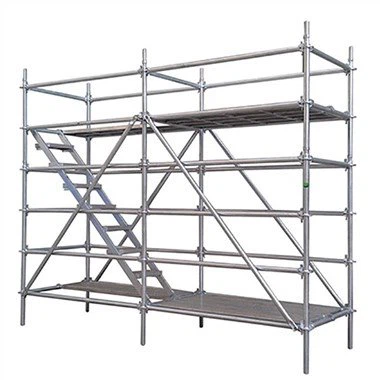
As a steel plank supplier, I often get asked the question: Can steel planks be recycled? The short answer is yes, they can! In fact, steel is one of the most recycled materials in the world, and steel planks are no exception. In this blog post, I'll dive into the details of steel plank recycling, why it's important, and how it benefits both the environment and your business.
The Basics of Steel Plank Recycling
Steel is a highly recyclable material because its properties don't degrade during the recycling process. When steel planks reach the end of their useful life, they can be collected, sorted, and sent to a recycling facility. At the facility, the steel planks are first shredded into small pieces. These pieces are then melted down in a furnace at extremely high temperatures. The molten steel is purified to remove any impurities and then cast into new steel products, such as fresh steel planks or other steel components.
The recycling process for steel planks is energy - efficient compared to producing new steel from raw materials. According to the American Iron and Steel Institute, recycling steel saves up to 75% of the energy needed to make new steel from iron ore. This significant energy savings translates into lower greenhouse gas emissions, making steel plank recycling an environmentally friendly choice.
Why Recycling Steel Planks Matters
Environmental Benefits
One of the most obvious reasons to recycle steel planks is the positive impact on the environment. By recycling, we reduce the demand for virgin iron ore, which in turn decreases the environmental damage caused by mining. Mining activities can lead to deforestation, soil erosion, and water pollution. Recycling steel planks helps to conserve natural resources and protect ecosystems.
Moreover, as mentioned earlier, the energy savings from recycling steel result in fewer carbon emissions. The steel industry is a major contributor to global greenhouse gas emissions, and by recycling steel planks, we can play our part in reducing the industry's carbon footprint and combatting climate change.
Economic Benefits
Recycling steel planks also makes good economic sense. For businesses, selling old or unused steel planks for recycling can provide an additional source of income. On the other hand, using recycled steel in the production of new steel planks can lower manufacturing costs. Since recycled steel requires less energy to process, the overall production cost is reduced, which can lead to more competitive pricing for customers.


In addition, the steel recycling industry creates jobs. From collection and transportation to processing and manufacturing, there are numerous employment opportunities within the recycling sector. This helps to stimulate the local and national economy.
Types of Steel Planks and Recycling
There are different types of steel planks available in the market, and each can be recycled. For example, Galvanised Steel Scaffold Planks are coated with a layer of zinc to protect them from corrosion. During the recycling process, the zinc coating is removed, and the steel is recycled as usual. The removed zinc can also be recycled and reused in other applications.
Perforated Metal Planks are another common type. These planks have holes punched in them for various purposes, such as drainage or ventilation. The perforations do not affect the recyclability of the steel. The planks are shredded and melted down just like any other steel product.
Steel Deck Planks are often used in construction for flooring and roofing. They are made of high - strength steel and can be recycled efficiently. The recycling process ensures that the valuable steel in these planks is recovered and put back into circulation.
How to Recycle Steel Planks
If you're a construction company, contractor, or any business that uses steel planks, here's how you can recycle them:
- Collection: First, gather all your old or unused steel planks. Make sure to separate them from other materials to facilitate the recycling process.
- Contact a Recycling Facility: Look for a local recycling facility that accepts steel. You can search online or ask other businesses in the construction industry for recommendations.
- Transportation: Arrange for the transportation of the steel planks to the recycling facility. Some recycling facilities may offer pick - up services, while others may require you to drop off the materials.
- Documentation: Keep records of the recycling process, including the weight of the steel planks and the date of recycling. This can be useful for environmental reporting and compliance purposes.
The Future of Steel Plank Recycling
The future of steel plank recycling looks promising. As more businesses become aware of the environmental and economic benefits of recycling, the demand for recycled steel products is likely to increase. Technological advancements in the recycling industry are also making the process more efficient and cost - effective.
For example, new sorting technologies can more accurately separate different types of steel and other metals, improving the quality of the recycled steel. Additionally, research is being conducted to develop new ways to recycle steel more sustainably, such as using renewable energy sources in the melting process.
Conclusion
In conclusion, steel planks can definitely be recycled, and there are many good reasons to do so. Recycling steel planks is not only beneficial for the environment but also for the economy. As a steel plank supplier, I encourage all my customers to consider recycling their old steel planks. By doing so, we can contribute to a more sustainable future.
If you're interested in purchasing high - quality steel planks or have any questions about steel plank recycling, feel free to get in touch. We're here to help you make the best choices for your construction projects and contribute to a greener planet.
References
- American Iron and Steel Institute. (Year). Steel Recycling Facts.
- Various industry reports on steel recycling and environmental impact studies.