In the realm of large - scale infrastructure projects, high - speed railway construction stands out as one of the most complex and demanding undertakings. It requires not only advanced engineering techniques but also reliable and efficient construction equipment. As a supplier of Ringlock Scaffolding, I am often asked whether this type of scaffolding can be used for high - speed railway construction. In this blog, I will explore the feasibility and advantages of using Ringlock Scaffolding in high - speed railway projects.
Understanding Ringlock Scaffolding
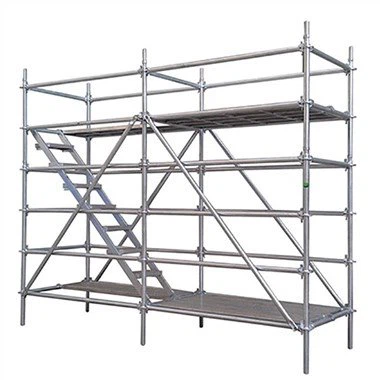
Before delving into its application in high - speed railway construction, it's essential to understand what Ringlock Scaffolding is. Ringlock Scaffolding is a modular system that consists of vertical standards, horizontal ledgers, and diagonal braces. The unique feature of Ringlock Scaffolding lies in its ring - shaped connection nodes, which allow for quick and easy assembly and disassembly. This system is known for its high load - bearing capacity, stability, and flexibility.
The Construction Scaffolding option within the Ringlock Scaffolding range offers a robust solution for various construction scenarios. It can be configured in different shapes and sizes to meet the specific requirements of a project. The Portable Scaffolding variant, on the other hand, provides a more mobile and adaptable option, which can be particularly useful in high - speed railway construction where the work area may change frequently.
Advantages of Ringlock Scaffolding for High - Speed Railway Construction
1. High Load - Bearing Capacity
High - speed railway construction involves heavy equipment, materials, and a large number of workers. Ringlock Scaffolding is designed to withstand significant loads. The Scaffolding Ledger And Standard components are made of high - quality steel, which provides excellent strength and durability. This high load - bearing capacity ensures the safety of workers and the stability of the construction process, even when dealing with heavy machinery such as cranes and concrete pumps.
2. Quick Assembly and Disassembly
Time is of the essence in high - speed railway construction. Ringlock Scaffolding's modular design allows for rapid assembly and disassembly. Workers can easily connect the components using the ring - shaped nodes, which significantly reduces the time required for setting up and taking down the scaffolding. This quick turnaround time can help to speed up the overall construction schedule and reduce labor costs.
3. Flexibility in Configuration
High - speed railway projects often have complex geometries, including bridges, tunnels, and elevated tracks. Ringlock Scaffolding can be easily configured to adapt to these various shapes and sizes. It can be adjusted to different heights, angles, and spans, making it suitable for a wide range of construction tasks. Whether it's supporting the formwork for a bridge deck or providing access to a tunnel wall, Ringlock Scaffolding can be customized to meet the specific needs of the project.
4. Safety
Safety is a top priority in high - speed railway construction. Ringlock Scaffolding is designed with safety features in mind. The ring - shaped connection nodes provide a secure and stable connection between the components, reducing the risk of collapse. Additionally, the system can be equipped with guardrails, toe boards, and other safety devices to protect workers from falls and other hazards.
Applications of Ringlock Scaffolding in High - Speed Railway Construction
1. Bridge Construction
Bridges are a crucial part of high - speed railway networks. Ringlock Scaffolding can be used to support the formwork during the construction of bridge decks. Its high load - bearing capacity and flexibility in configuration make it an ideal choice for this application. Workers can easily assemble the scaffolding to the required height and shape, providing a stable platform for concrete pouring and other construction activities.
2. Tunnel Construction
In tunnel construction, Ringlock Scaffolding can be used to provide access for workers and equipment. It can be installed along the tunnel walls to support the installation of ventilation systems, electrical wiring, and other infrastructure. The quick assembly and disassembly feature of Ringlock Scaffolding is particularly useful in tunnel construction, as it allows for easy movement of the scaffolding as the work progresses.
3. Track - Side Construction
Track - side construction activities, such as the installation of signaling systems and power supply equipment, also require reliable scaffolding. Ringlock Scaffolding can be set up alongside the tracks to provide a safe working platform for workers. Its portability and flexibility make it easy to move and re - configure as needed.
Challenges and Considerations
While Ringlock Scaffolding offers many advantages for high - speed railway construction, there are also some challenges and considerations to keep in mind.
1. Cost
The initial investment in Ringlock Scaffolding can be relatively high compared to some other types of scaffolding. However, it's important to consider the long - term benefits, such as reduced labor costs, increased construction speed, and improved safety. In the context of a large - scale high - speed railway project, the overall cost - effectiveness of Ringlock Scaffolding may be quite favorable.
2. Transportation
High - speed railway projects often cover large distances, which can pose challenges in transporting the scaffolding to different work sites. However, the modular design of Ringlock Scaffolding allows for easy transportation in standard shipping containers. Additionally, the Portable Scaffolding option can be more easily moved between sites.


3. Maintenance
Proper maintenance is essential to ensure the continued safety and performance of Ringlock Scaffolding. Regular inspections should be carried out to check for any signs of damage or wear. Components that are damaged or worn should be replaced promptly to prevent any safety issues.
Conclusion
In conclusion, Ringlock Scaffolding can indeed be used for high - speed railway construction. Its high load - bearing capacity, quick assembly and disassembly, flexibility in configuration, and safety features make it a suitable choice for various construction tasks in high - speed railway projects. While there are some challenges and considerations, such as cost, transportation, and maintenance, the overall benefits of using Ringlock Scaffolding outweigh these drawbacks.
If you are involved in a high - speed railway construction project and are looking for a reliable scaffolding solution, I encourage you to consider Ringlock Scaffolding. As a supplier, I am committed to providing high - quality products and excellent customer service. We can work with you to design a customized scaffolding solution that meets the specific needs of your project. Contact us today to start a discussion about your scaffolding requirements and explore how Ringlock Scaffolding can contribute to the success of your high - speed railway construction project.
References
- "Scaffolding Handbook" by John W. Reynolds
- "High - Speed Railway Engineering" by Xuesong Yang
- Industry reports on high - speed railway construction and scaffolding applications.