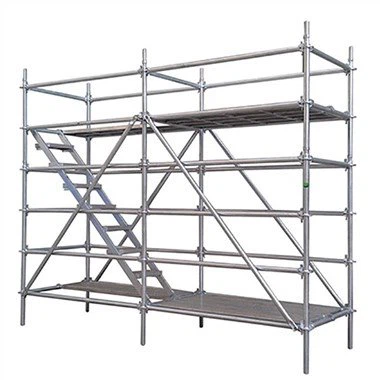
Galvanized steel pipe is a popular choice in various industries due to its durability and corrosion resistance. As a supplier of galvanized steel pipes, I often get asked whether these pipes can be used in electrical applications. In this blog post, I'll explore the suitability of galvanized steel pipes for electrical use, considering factors such as conductivity, safety, and regulatory compliance.
Conductivity of Galvanized Steel Pipe
One of the primary concerns when using galvanized steel pipe in electrical applications is its conductivity. Galvanized steel is essentially steel that has been coated with a layer of zinc to protect it from rust and corrosion. While steel is a conductor of electricity, the zinc coating can affect its electrical properties.
The zinc layer on galvanized steel pipe acts as an insulator to some extent. However, in many electrical applications, the main function of the pipe is to provide mechanical protection for electrical wires rather than to conduct electricity directly. For example, in conduit systems, the galvanized steel pipe serves as a physical barrier to protect the wires from damage, moisture, and environmental factors.
In terms of grounding, galvanized steel pipes can be used effectively. Grounding is crucial in electrical systems to prevent electrical shocks and to protect equipment from damage. The steel core of the galvanized pipe is conductive enough to provide a path for electrical current to flow safely to the ground. However, it's important to ensure proper connections and bonding to achieve a low - resistance grounding path.
Safety Considerations
Safety is a top priority in any electrical installation. Galvanized steel pipes offer several safety benefits when used in electrical applications.
Firstly, their robust construction provides excellent protection for electrical wires. They can withstand physical impacts, such as being struck by tools or heavy objects, which could otherwise damage the wires and cause short - circuits or electrical fires.
Secondly, the zinc coating on the pipes helps to prevent corrosion. Corrosion can weaken the pipes over time and may lead to the exposure of wires, increasing the risk of electrical hazards. By using galvanized steel pipes, the lifespan of the electrical installation is extended, and the likelihood of safety issues due to corrosion is reduced.
However, there are also some safety concerns that need to be addressed. The zinc coating on the pipes can produce zinc oxide fumes when exposed to high temperatures, such as during welding or cutting. These fumes can be harmful if inhaled. Therefore, proper ventilation and safety equipment should be used when working with galvanized steel pipes in electrical installations.
Regulatory Compliance
Before using galvanized steel pipes in electrical applications, it's essential to ensure compliance with relevant electrical codes and standards. Different regions may have different regulations regarding the use of conduits and other electrical components.
In many countries, the National Electrical Code (NEC) provides guidelines for electrical installations. The NEC has specific requirements for conduits, including their material, size, and installation methods. Galvanized steel pipes are generally acceptable as conduits as long as they meet the specified standards. For example, the pipes must have a certain thickness of zinc coating to ensure adequate corrosion protection.
It's also important to note that some electrical applications may require additional approvals or certifications. For instance, in industrial settings or in areas with special environmental conditions, the use of galvanized steel pipes may need to be approved by relevant authorities.
Types of Galvanized Steel Pipes for Electrical Applications
There are several types of galvanized steel pipes that can be used in electrical applications.

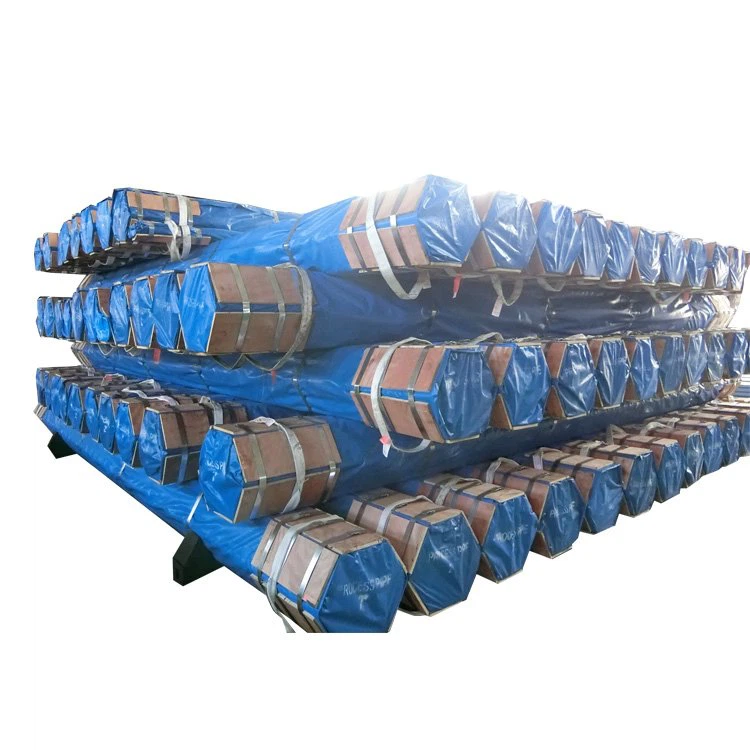
Galvanized Steel Pipe for Greenhouse can be a suitable option in some electrical installations. These pipes are designed to withstand the harsh environmental conditions in greenhouses, such as high humidity and exposure to chemicals. Their corrosion - resistant properties make them a good choice for protecting electrical wires in such environments.
Galvanized Iron Round Pipe is another common type. Round pipes are easy to install and can be bent to fit different layouts. They are often used in residential and commercial electrical conduit systems.
Threaded Galvanized Steel Pipe is useful for making connections in electrical installations. The threaded ends allow for easy and secure joining of pipes, which is important for maintaining the integrity of the conduit system.
Installation Considerations
Proper installation is crucial for the successful use of galvanized steel pipes in electrical applications.
When installing galvanized steel pipes as conduits, it's important to ensure that the pipes are properly supported. They should be secured at regular intervals to prevent sagging or movement, which could damage the wires inside.
The pipes should also be installed in a way that allows for easy access to the wires for maintenance and repairs. This may involve using junction boxes or pull boxes at appropriate locations.
In addition, when making connections between pipes, it's essential to use proper fittings and to ensure a tight seal. Loose connections can lead to moisture ingress, which can cause corrosion and electrical problems.
Conclusion
In conclusion, galvanized steel pipes can be used effectively in electrical applications. Their durability, corrosion resistance, and mechanical strength make them a viable option for protecting electrical wires and providing grounding paths. However, it's important to consider factors such as conductivity, safety, regulatory compliance, and proper installation.
If you're considering using galvanized steel pipes in your electrical project, I encourage you to reach out to discuss your specific requirements. As a supplier of high - quality galvanized steel pipes, I can provide you with the right products and expert advice to ensure a successful electrical installation. Whether you need Galvanized Steel Pipe for Greenhouse, Galvanized Iron Round Pipe, or Threaded Galvanized Steel Pipe, I'm here to assist you. Contact me to start a conversation about your procurement needs and let's work together to find the best solutions for your electrical projects.
References
- National Electrical Code (NEC)
- Industry standards for galvanized steel pipes